Rembrandt's late painting of a couple in a close embrace, long known as 'The Jewish Bride', is identified by the Rijksmuseum as the biblical Isaac and Rebecca. This docent-led visit reads the gestures, the setting and the thick, scratched paint to show how the museum's interpretation of the subject holds together.
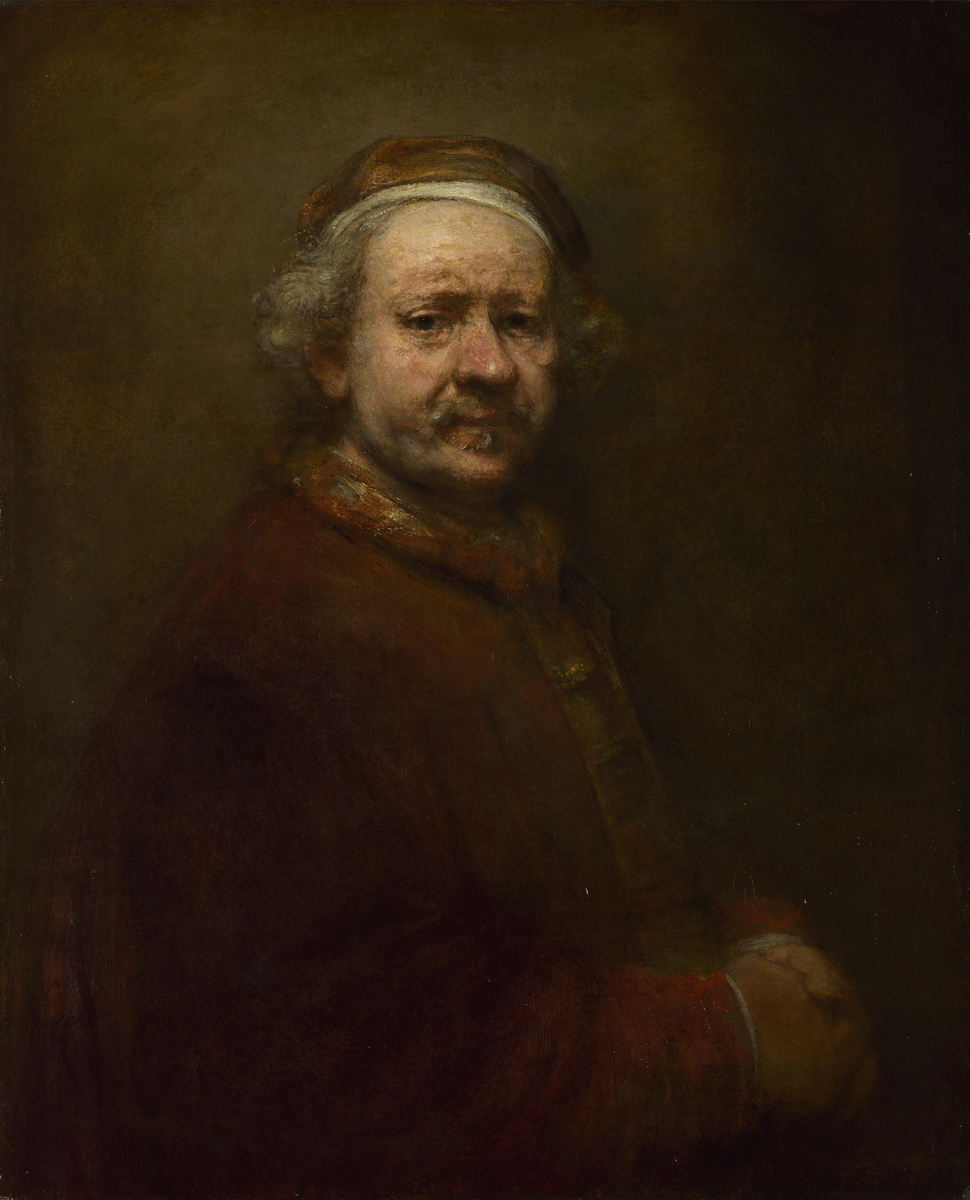
Rembrandt painted himself in the final months of his life, at sixty-three, in a work whose concentrated surface, shadowed background, and ambiguous half-smile have made it one of his most discussed late self-portraits. This short tour looks closely at what he chose to put in, what he painted out, and how the National Gallery's curators read the result.
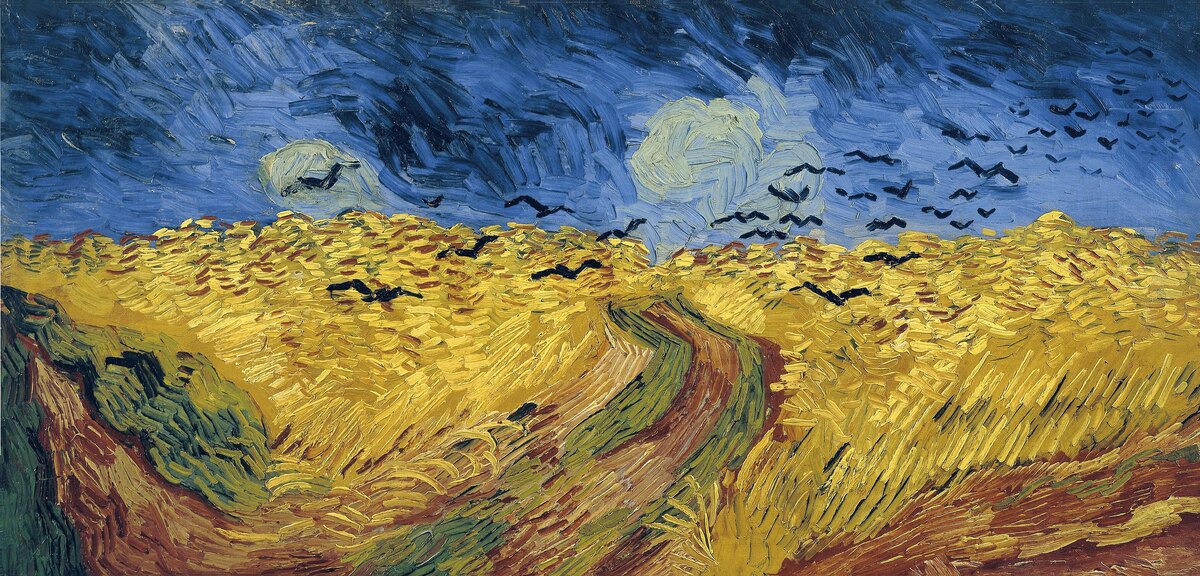
A docent-led reading of Van Gogh's wide, stormy wheatfield at Auvers-sur-Oise, built from the Van Gogh Museum's object record and curatorial interpretation. The account distinguishes the painting's documented subject and colour structure from the popular legend that it was his farewell, and explains what the museum does and does not support.
A digital photograph of a blue spruce, made by Jebulon in Miranda de Ebro, Spain, on 20 July 2014, and released on Wikimedia Commons under a public domain dedication. The photograph was taken with a Sony DSLR-A550 and later retouched in GIMP, where grass was added by cloning. It was assessed as a Quality image on Commons.
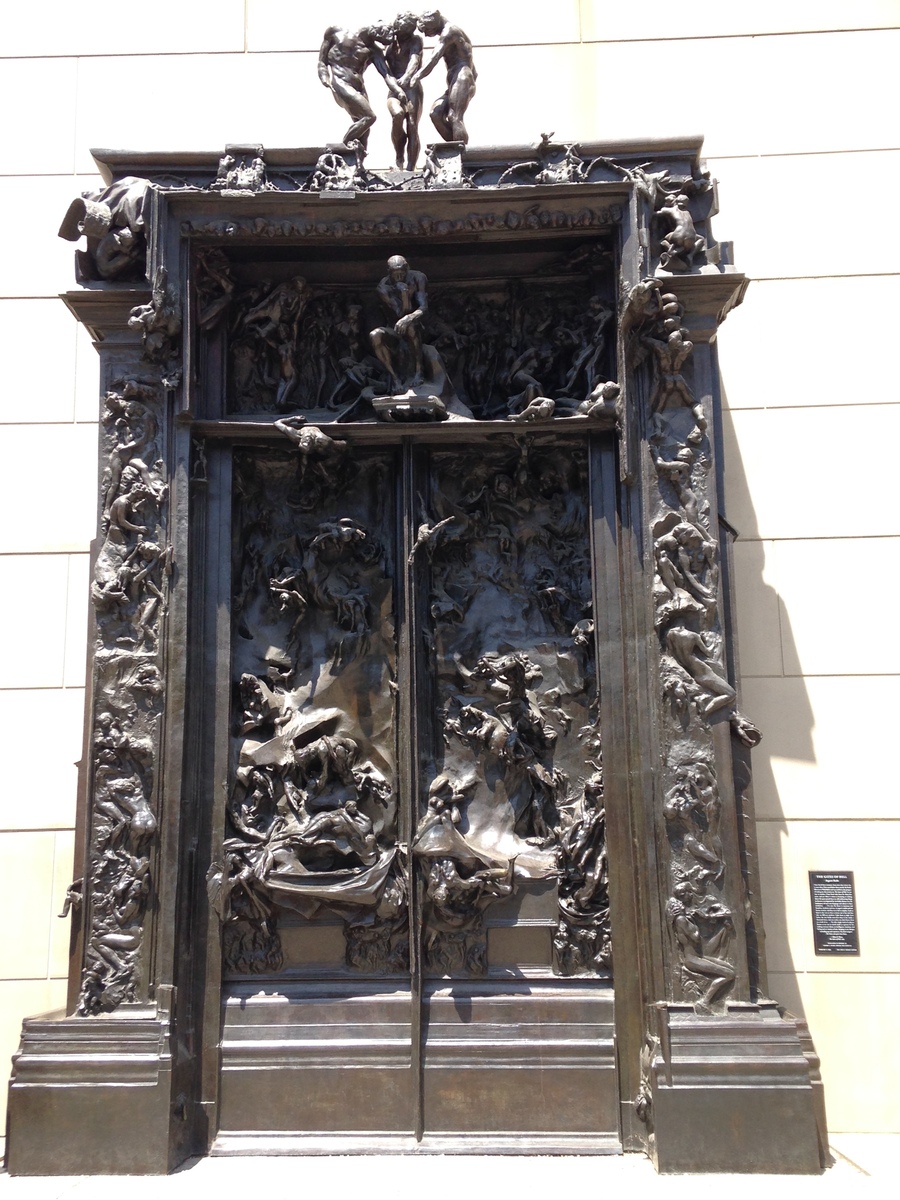
FranceModelled 1880–1917; this bronze cast 1929 or earlier
A docent-led look at Rodin's monumental bronze portal at the Rodin Museum in Philadelphia, where figures of the damned crowd around a seated thinker and three shades. The article distinguishes what is visible from what is documented and what remains uncertain about this particular cast.
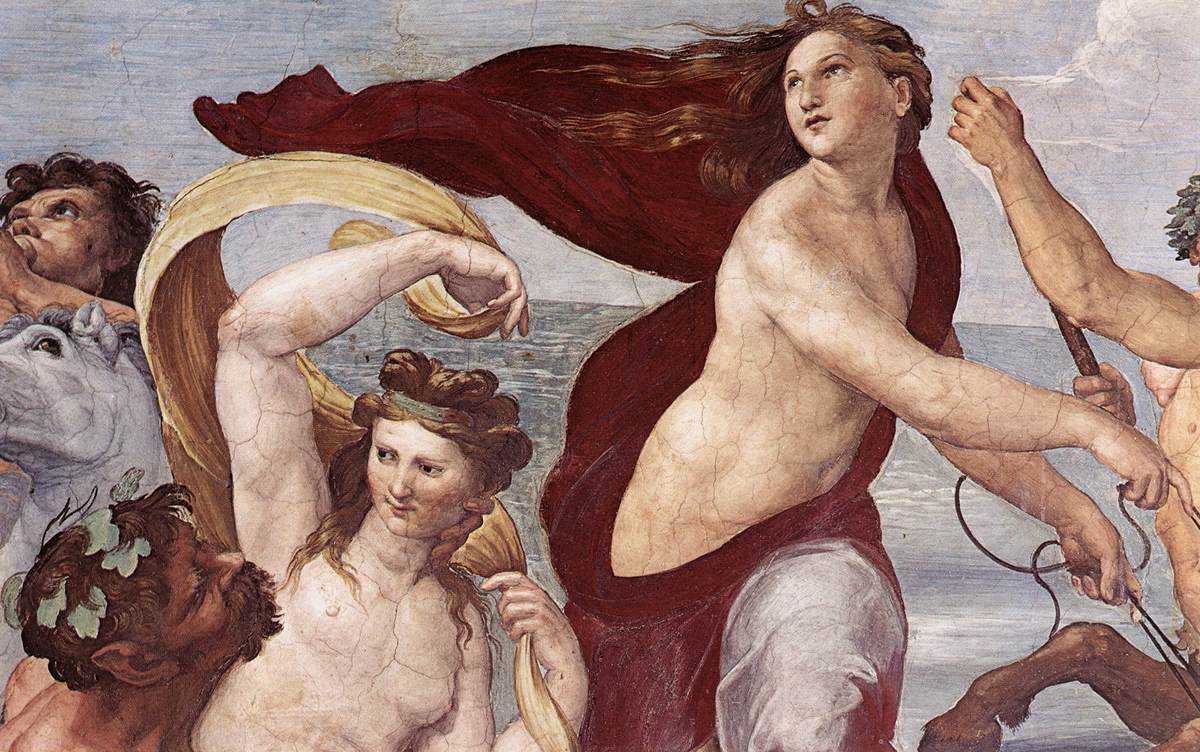
A gallery reading of Raphael's 1511 fresco in the Villa Farnesina, Rome, showing the sea nymph Galatea crossing the waves in a shell chariot, with her marine escort and the conch horn sounding above. The account separates what is visible in the work from the mythological context the supplied record establishes, and it notes the unsettled question of the fresco's title.
Advertising supports the archive. These preferences control aggregate page counting, reading activity and ad-delivery diagnostics. They use no visitor tracking cookie.