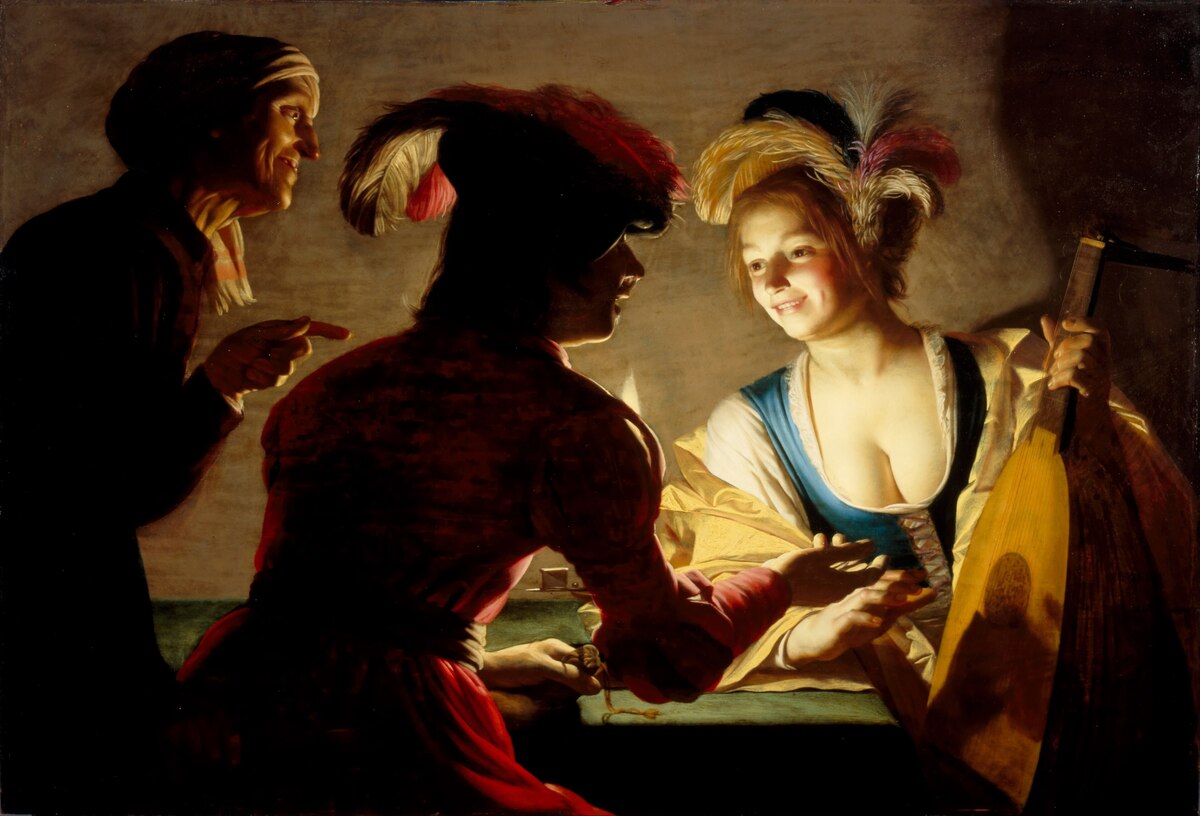
Gerard van Honthorst's The Procuress (1625) is a genre scene of a matchmaker, a young woman, and a client, with a lute and an exchange of money. This docent-led visit explains the subject, the pictorial choices that make the transaction legible, and the Utrecht Caravaggism context that shapes its reading.
A digital photograph by Bernard Gagnon showing the Baradari pavilion at Golconda Fort in India, taken on 6 December 2013. The record identifies the subject and the photographer. It does not date the Baradari itself, describe the architectural detail in words, or name a museum or collection for this file. This short tour stays with what the evidence actually supports.
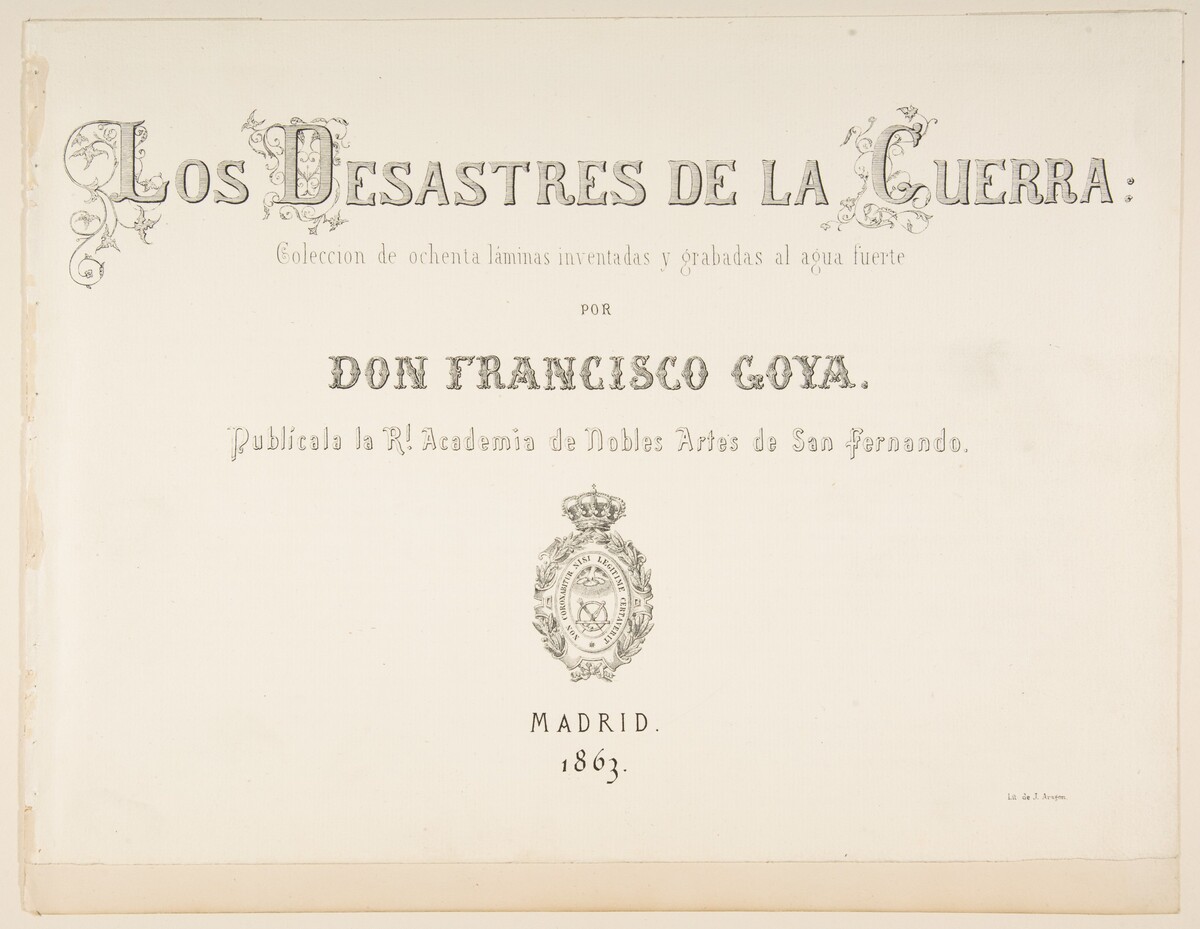
The title page to Goya's print series The Disasters of War, an eighty-plate sequence made between 1810 and 1820 and published decades later, in 1863. This sheet introduces the series and is accompanied by two pages of letterpress description; the series itself is by Francisco de Goya, while the title-page lettering was made by the lithographer J. Aragon working after Goya.
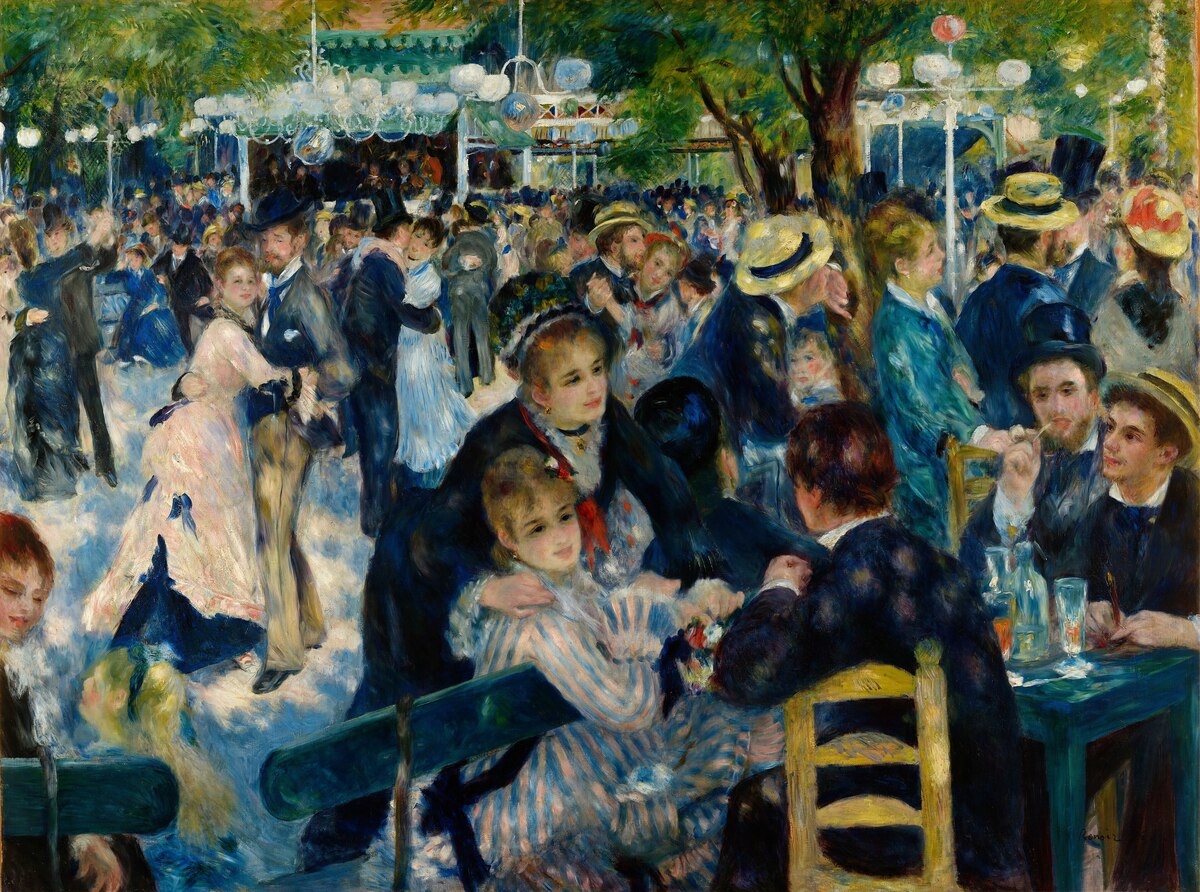
Renoir's 1876 canvas shows a Sunday afternoon dance in the garden of the Moulin de la Galette in Montmartre, painted as a living crowd of dancers, drinkers and quiet companions under dappled light. This tour explains the subject first, then follows how the brushwork, the foreground group and the lamp-lit setting make that scene legible.
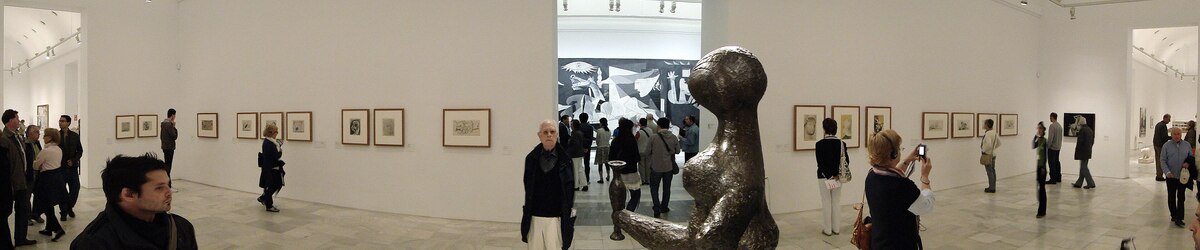
Pablo Picasso painted Guernica in 1937 in response to the bombing of the Basque town of Gernika on 26 April 1937. The Musée national Picasso-Paris describes it as a synthesis of more than forty years of Picasso's plastic research and as an anti-Francoist, anti-fascist and pacifist symbol. This short tour looks at the painting's monumental scale, its central horse, the woman with an oil lamp, the fallen warrior, and the reasons those choices matter.
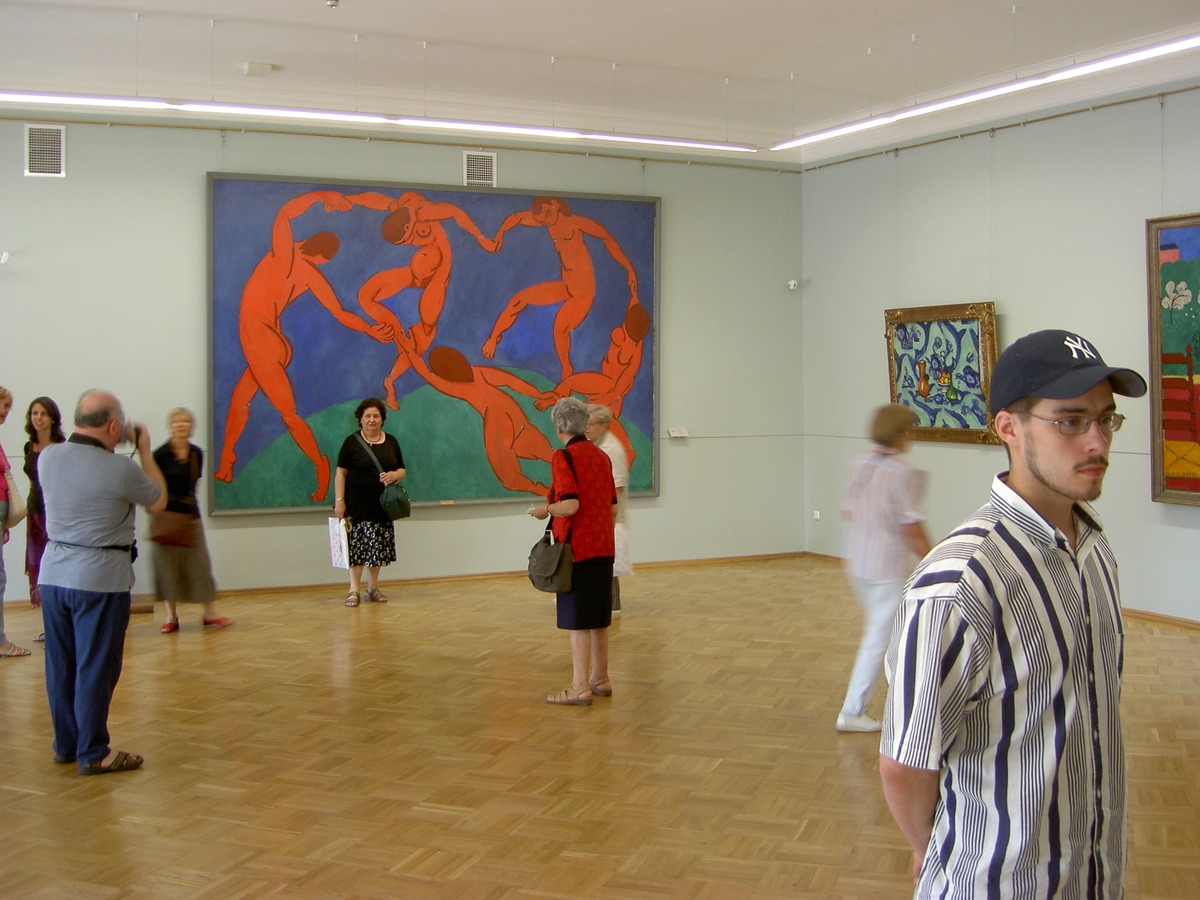
A docent's walk through what the record for this painting does, and does not, tell us: a 1910 work titled The Dance, attributed to Henri Matisse, known here only through a 2006 photograph that also catches a visitor looking at Matisse's Music.
Advertising supports the archive. These preferences control aggregate page counting, reading activity and ad-delivery diagnostics. They use no visitor tracking cookie.