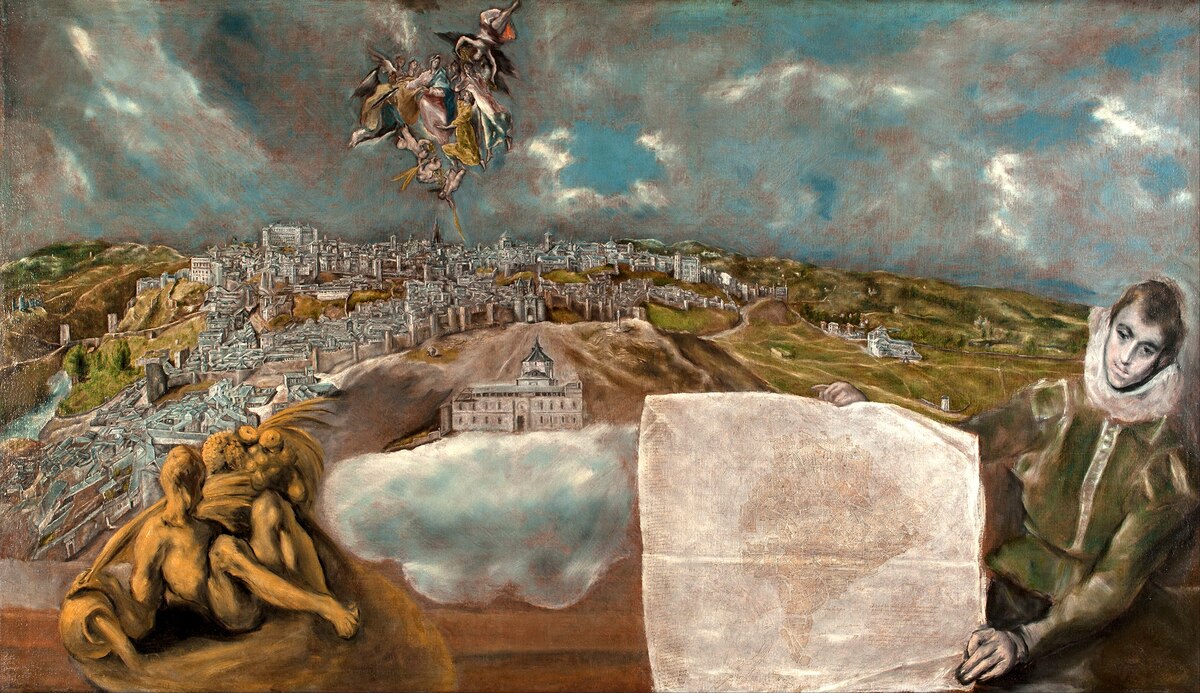
El Greco's late cityscape of Toledo pairs a sweeping view of the city with a separate plan, giving prominence to the modern buildings of his adopted home while leaving its famous medieval landmarks out. This short tour looks at what the painting shows and what those choices might mean.
Not recorded in supplied sourcesNot recorded in supplied sources
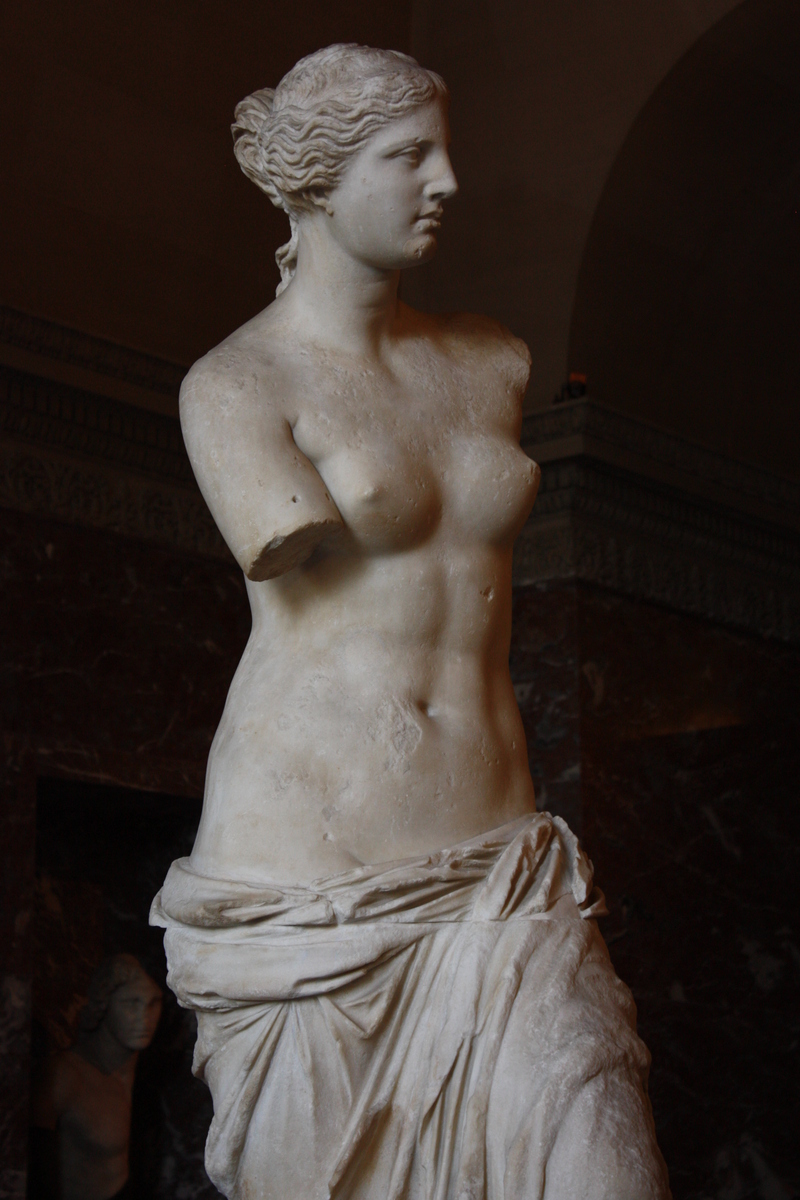
A gallery reading of the Venus de Milo as recorded in a 2013 photograph taken in the Louvre, Paris. The supplied evidence establishes the object's identity and its museum setting; it does not establish the maker, date, material or dimensions, so this account stays with what the photograph shows and what the record documents.
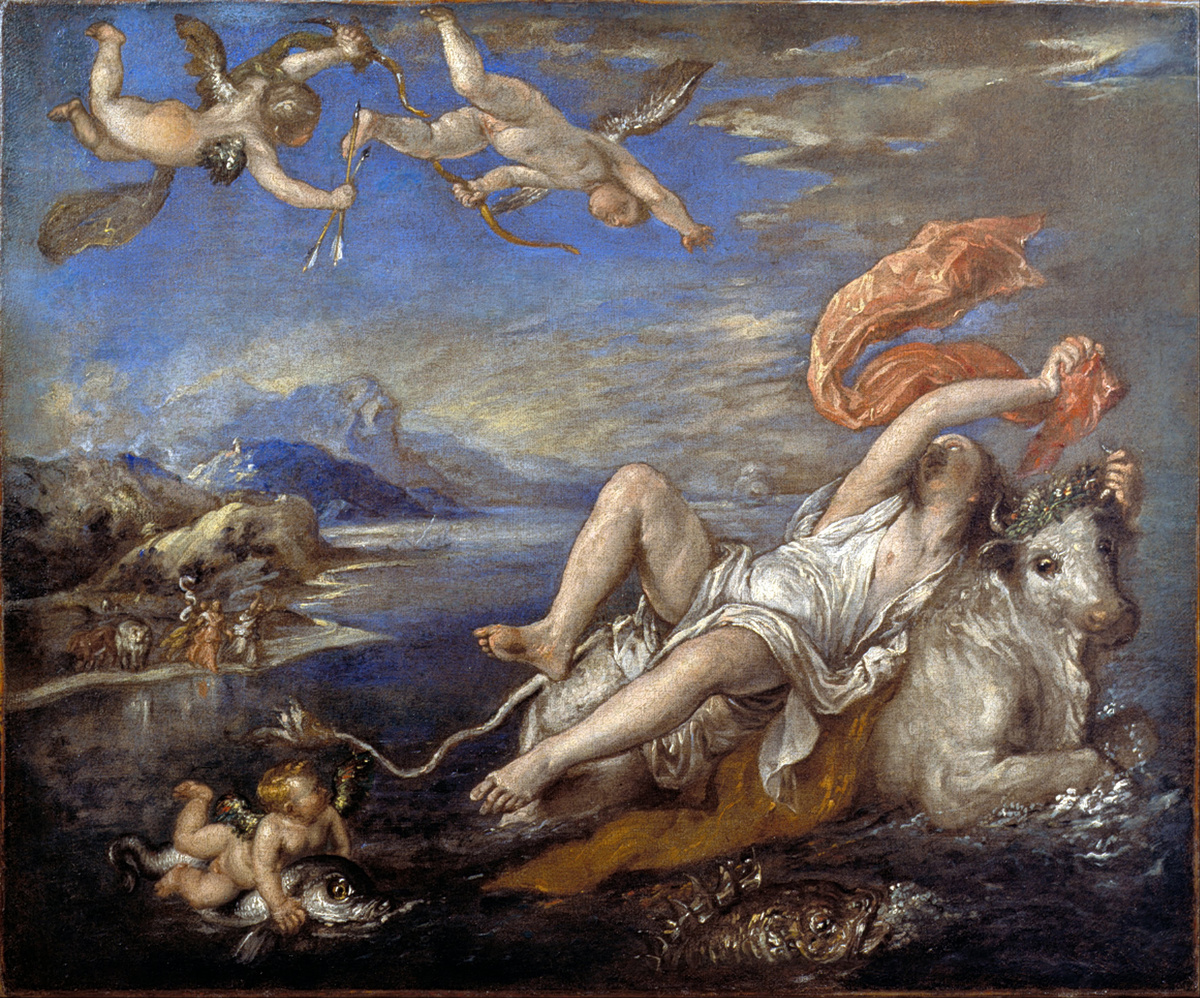
Italian, Venetian17th century (per Dulwich Picture Gallery record supplied)
A small Venetian oil on canvas at Dulwich Picture Gallery shows the classical myth of Europa carried off across dark water by a white bull. The object record names Titian as the artist, calls it a mythological painting, and dates it to the seventeenth century, a date later than Titian's death. This tour follows what the record establishes, what it interprets, and what it leaves unresolved.
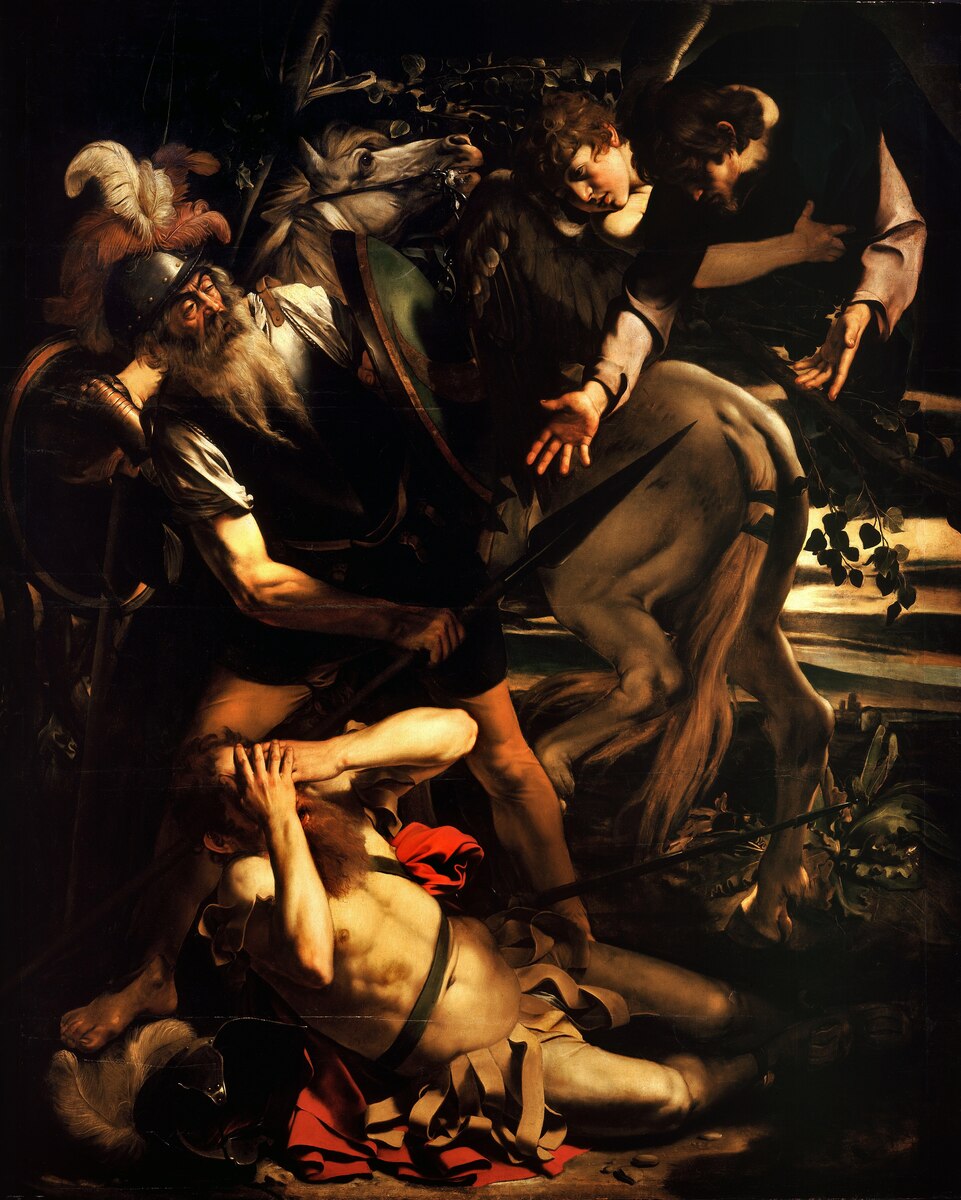
A gallery talk on Caravaggio's first treatment of the Conversion of Saint Paul, painted around January 1600 in oil on cypress wood. The article follows the biblical episode, the visible choices in the painting, and the distinction between this Odescalchi panel and the artist's later Cerasi Chapel version. Evidence is drawn from the object record, with careful separation of observation, interpretation and documented history.
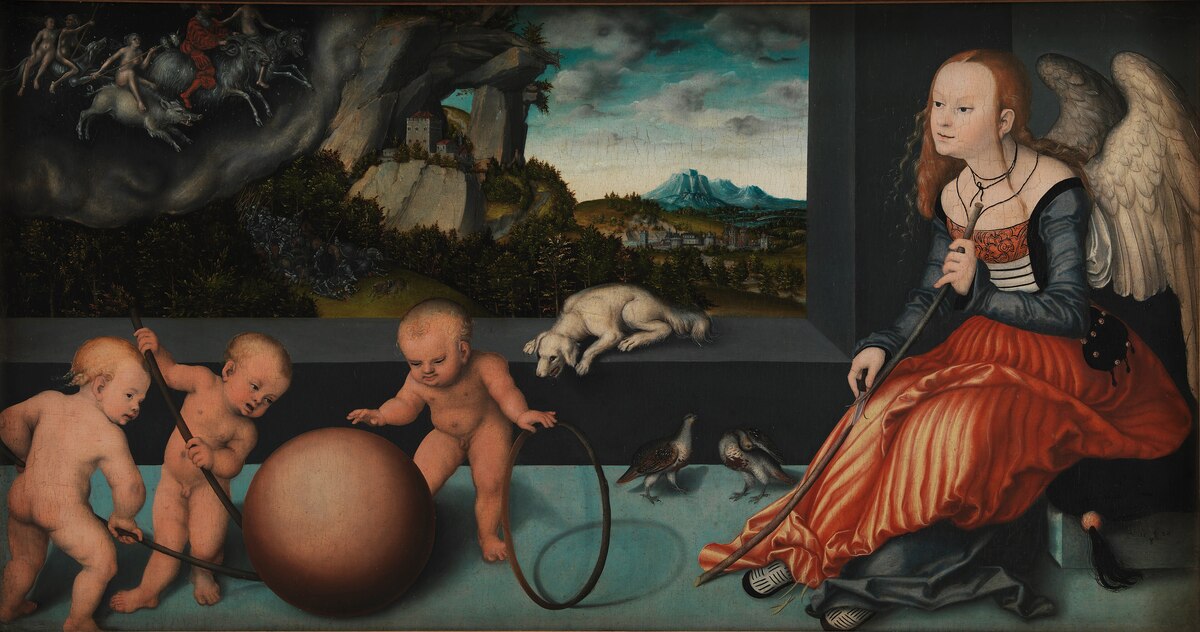
A gallery guide to Lucas Cranach the Elder's allegorical painting Melancholy of 1532, tracing its winged personification, its playing putti and sleeping dog, and the dark riders gathering above the castle landscape.
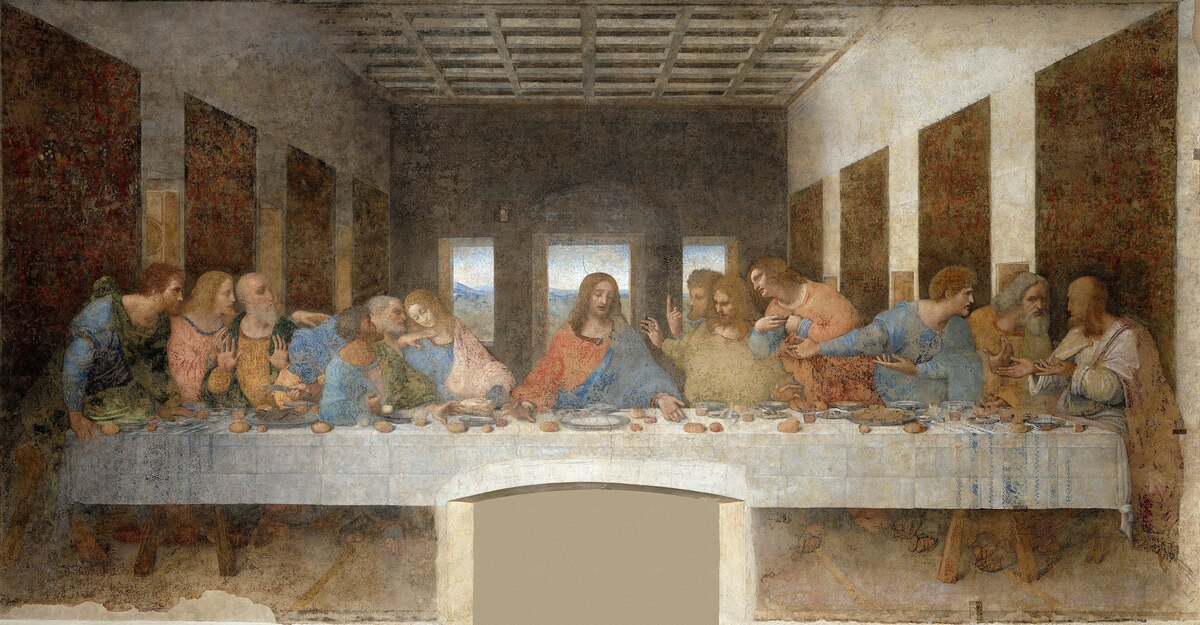
Leonardo da Vinci painted The Last Supper in Milan between 1495 and 1498, and the official Museo del Cenacolo Vinciano identifies it as his work. This short tour sets the biblical subject and then follows the museum's own evidence about the painting's making and its present fragility, keeping the limits of the record in view.
Advertising supports the archive. These preferences control aggregate page counting, reading activity and ad-delivery diagnostics. They use no visitor tracking cookie.