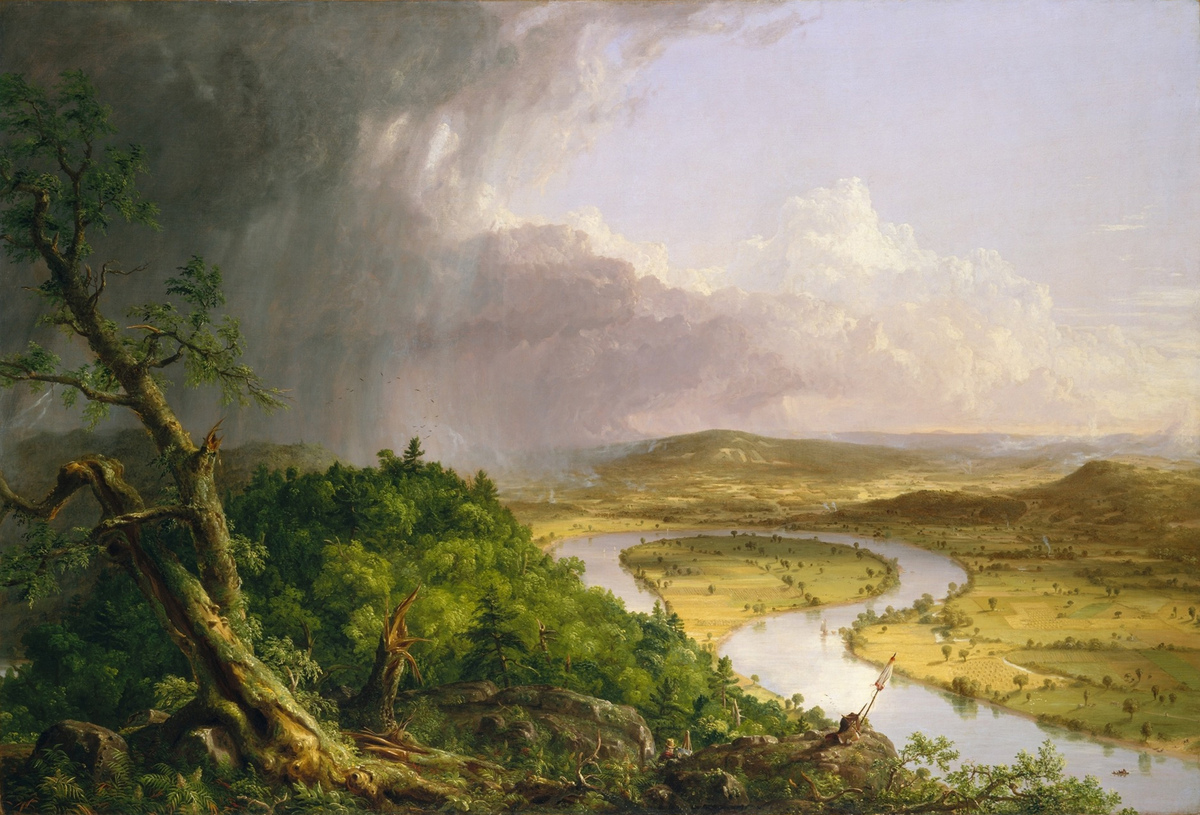
Thomas Cole's 1836 canvas looks out from Mount Holyoke over the Connecticut River near Northampton, Massachusetts, just after a thunderstorm. The scene splits between storm-darkened wilderness and a sunlit, cultivated valley, and the painter himself appears at his easel on the rocky promontory in the foreground. This short tour follows that division and the figure who observes it, using only what the painting's institutional record establishes.
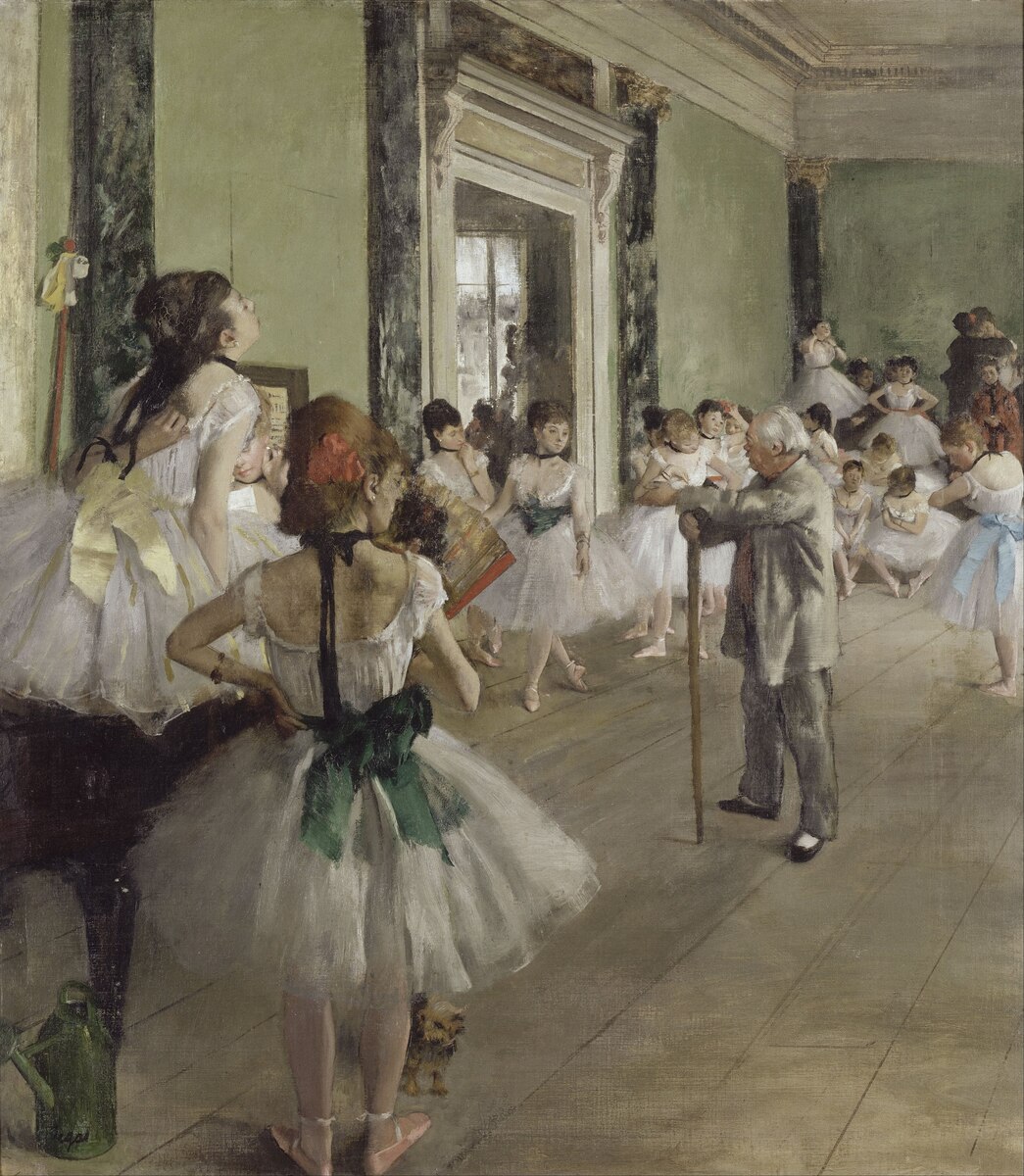
A rehearsal on the ballet studio floor: Degas turns an off-centre view of a Paris Opera class, with the ballet master Jules Perrot at its centre, into a study of attention, waiting and work.
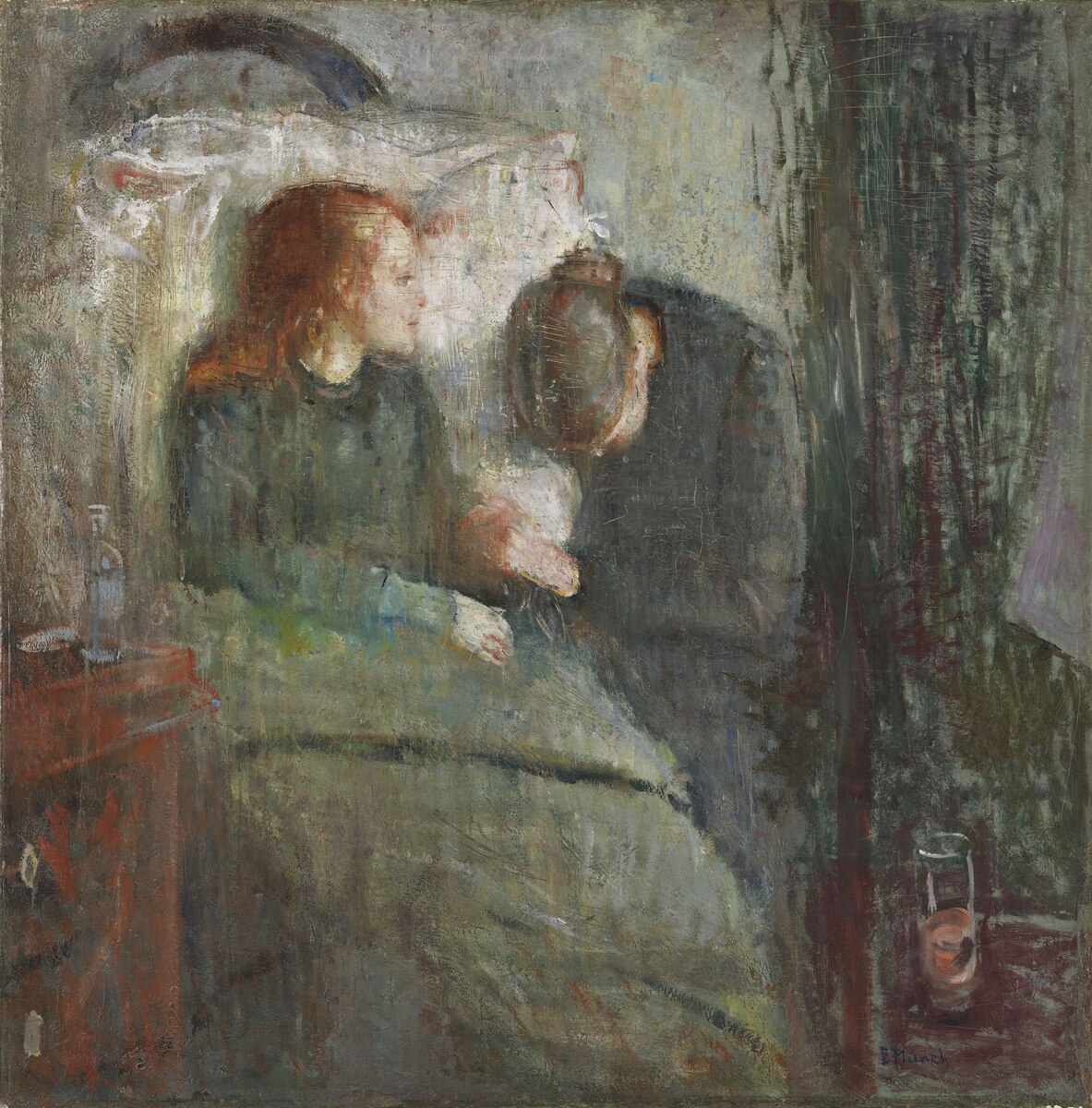
A pale, red-haired girl sits propped against a white pillow, her face turned toward a woman whose head is bowed. Edvard Munch's The Sick Child, painted in 1885 and 1886, holds that quiet exchange at the centre of the canvas, and the National Museum of Norway connects the picture with the death of his sister Sophie from tuberculosis in 1877. This tour looks at how the painting's compressed space and its restless surface turn a sickroom scene into one of the works that carried Norwegian painting beyond the realism of its day.
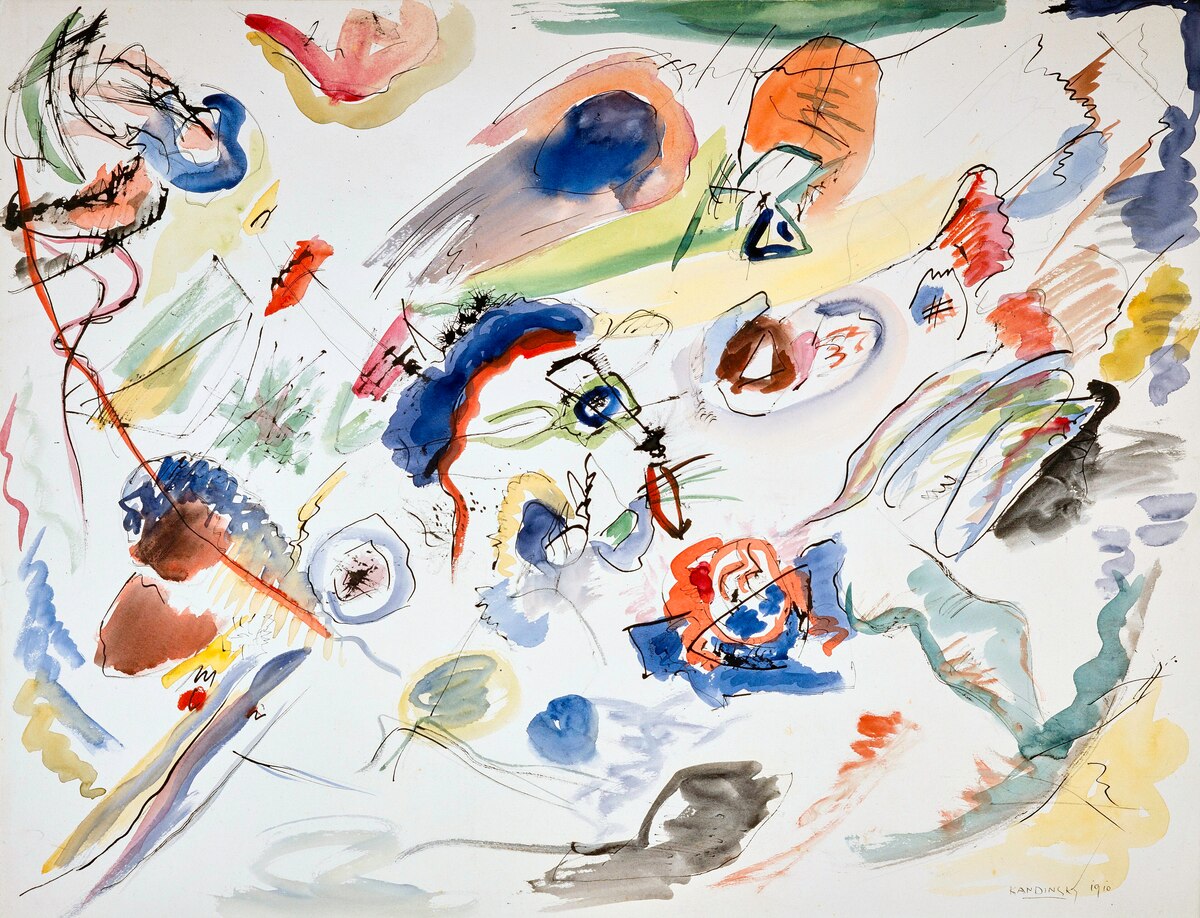
A gallery tour of Kandinsky's 1913 watercolour and ink study on paper, associated with Composition VII and described in the supplied record as the first abstract watercolour. The tour distinguishes what the object record documents from later attributions and notes where provenance, exhibition history and technical analysis are unknown.
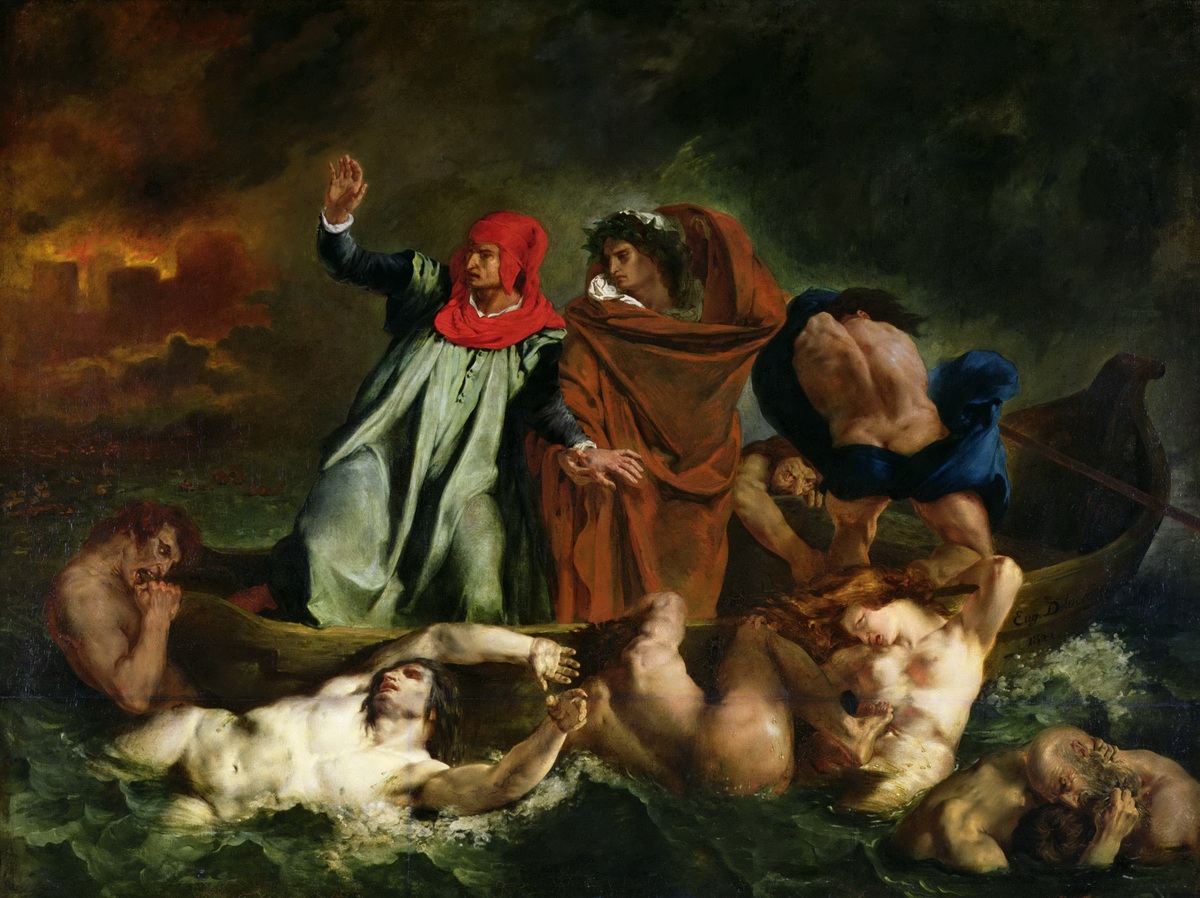
A gallery guide to Delacroix's 1822 Salon painting of Dante and Virgil crossing the waters of Hell, with Charon at the oars. The account describes what is visible in the picture and the literary source it draws on, distinguishing the exhibition history documented for this canvas from the imaginative scene it represents.
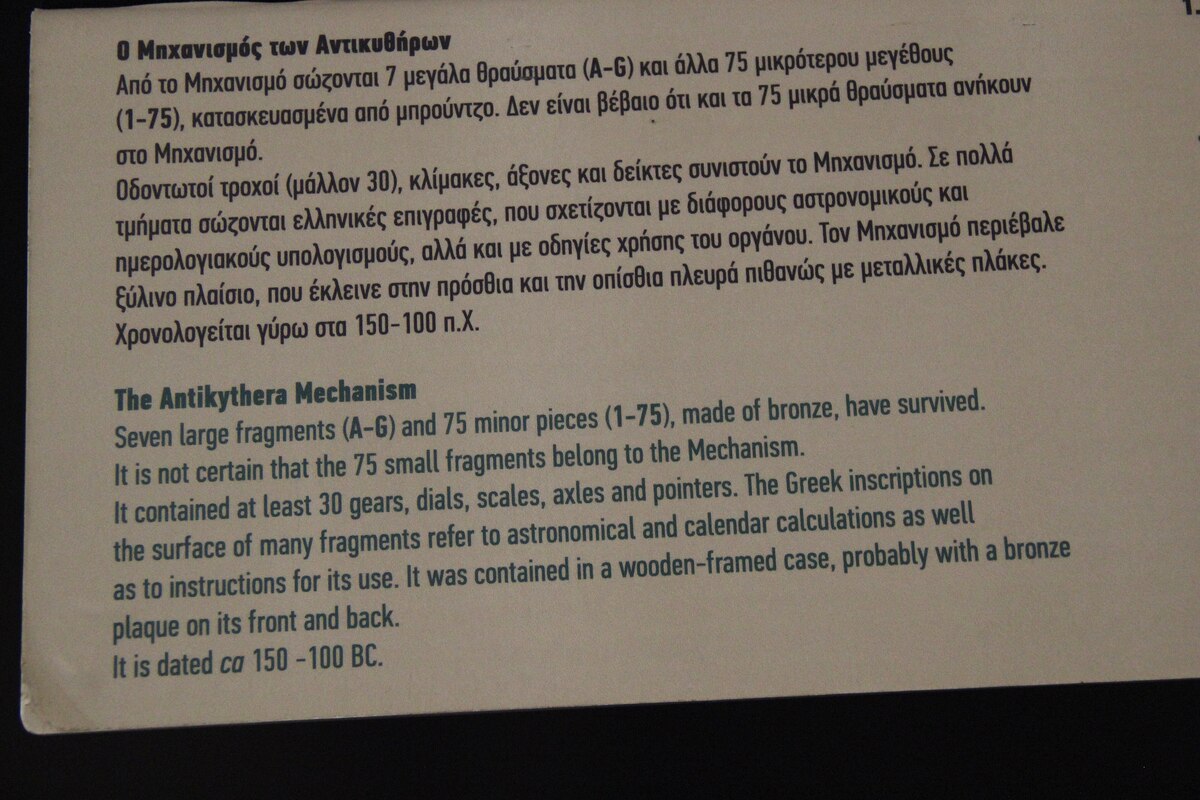
A corroded bronze geared device from the second century BC Greek world, recovered from a Roman shipwreck. It calculated and displayed celestial cycles, including moon phases, a luni-solar calendar, and eclipse prediction, and may also have shown planetary positions. This docent tour explains what the surviving fragments show, how scholars have read them, and why the mechanism remains a landmark of ancient astronomy.
Advertising supports the archive. These preferences control aggregate page counting, reading activity and ad-delivery diagnostics. They use no visitor tracking cookie.