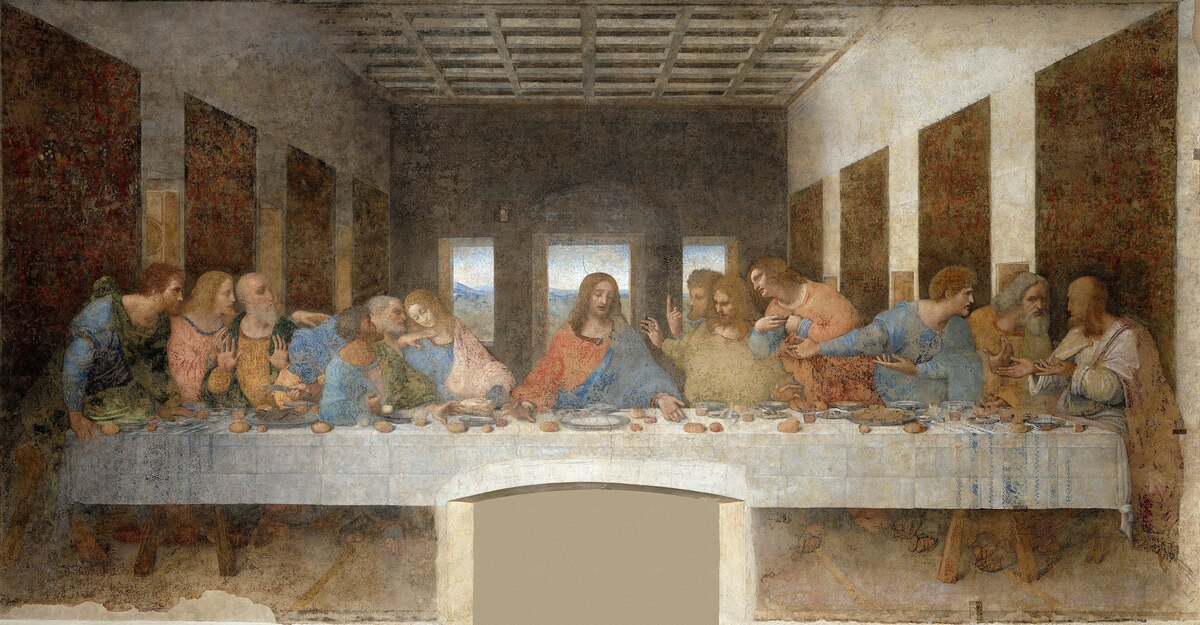
Leonardo da Vinci painted The Last Supper in Milan between 1495 and 1498, and the official Museo del Cenacolo Vinciano identifies it as his work. This short tour sets the biblical subject and then follows the museum's own evidence about the painting's making and its present fragility, keeping the limits of the record in view.
A gallery guide's reading of the handscroll Along the River During the Qingming Festival, attributed to Zhang Zeduan, with attention to the arched bridge and river traffic that organize its city scene. The supplied record covers a 12th century original and an 18th century remake.
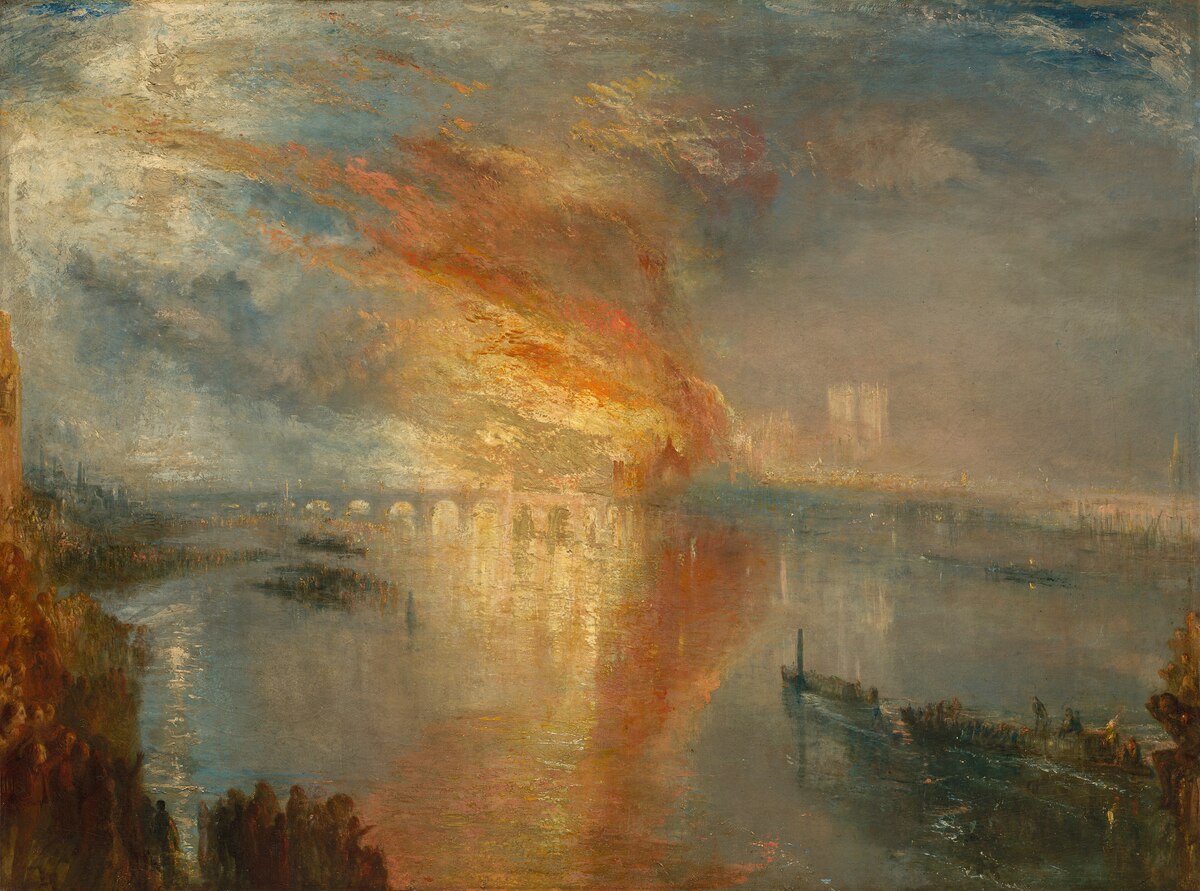
Turner's painting shows the night fire that destroyed London's Houses of Parliament in 1834, seen from the Thames. The museum reads its exaggerated flames and luminous colour as an image of human helplessness before nature's destructive power.
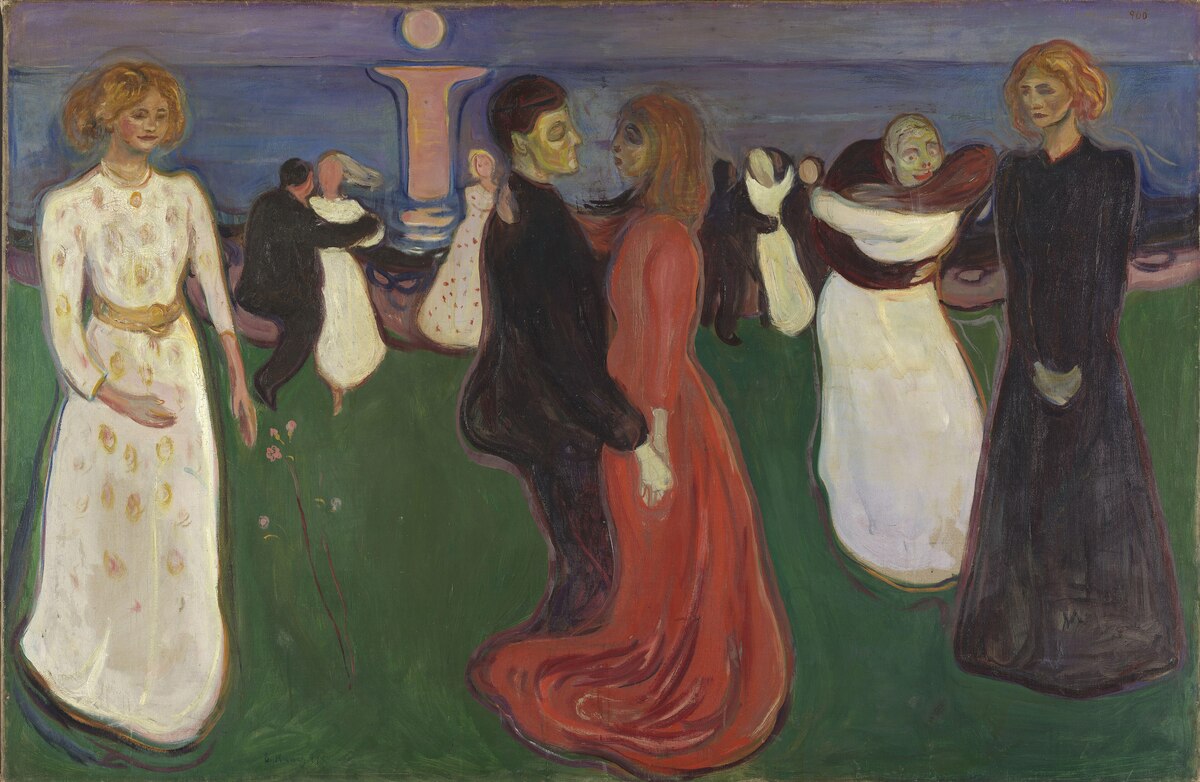
Edvard Munch's The Dance of Life sets three women at different stages of love against a moonlit shore. This docent tour explains the symbolic cycle Munch built from the figures, their colours and their placement.
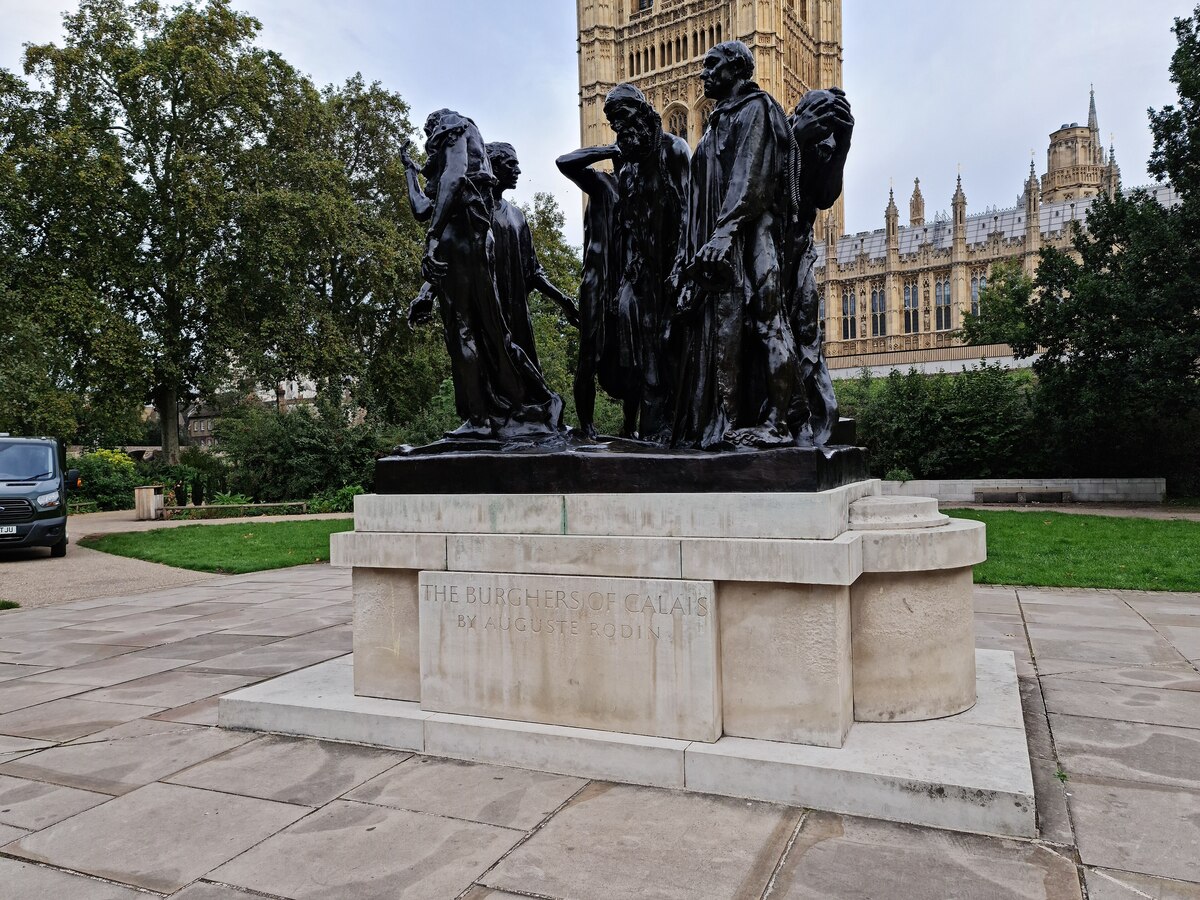
Auguste Rodin's Burghers of Calais remembers six men who, in a long tradition, offered themselves to the English king during the siege of Calais in 1347. Rodin models them as stricken figures bound together by heavy sackcloth and a single bronze base. This tour looks closely at how gesture, clothing and group arrangement carry that story, and it keeps clear what the supplied record establishes, what is later tradition, and what remains undocumented.
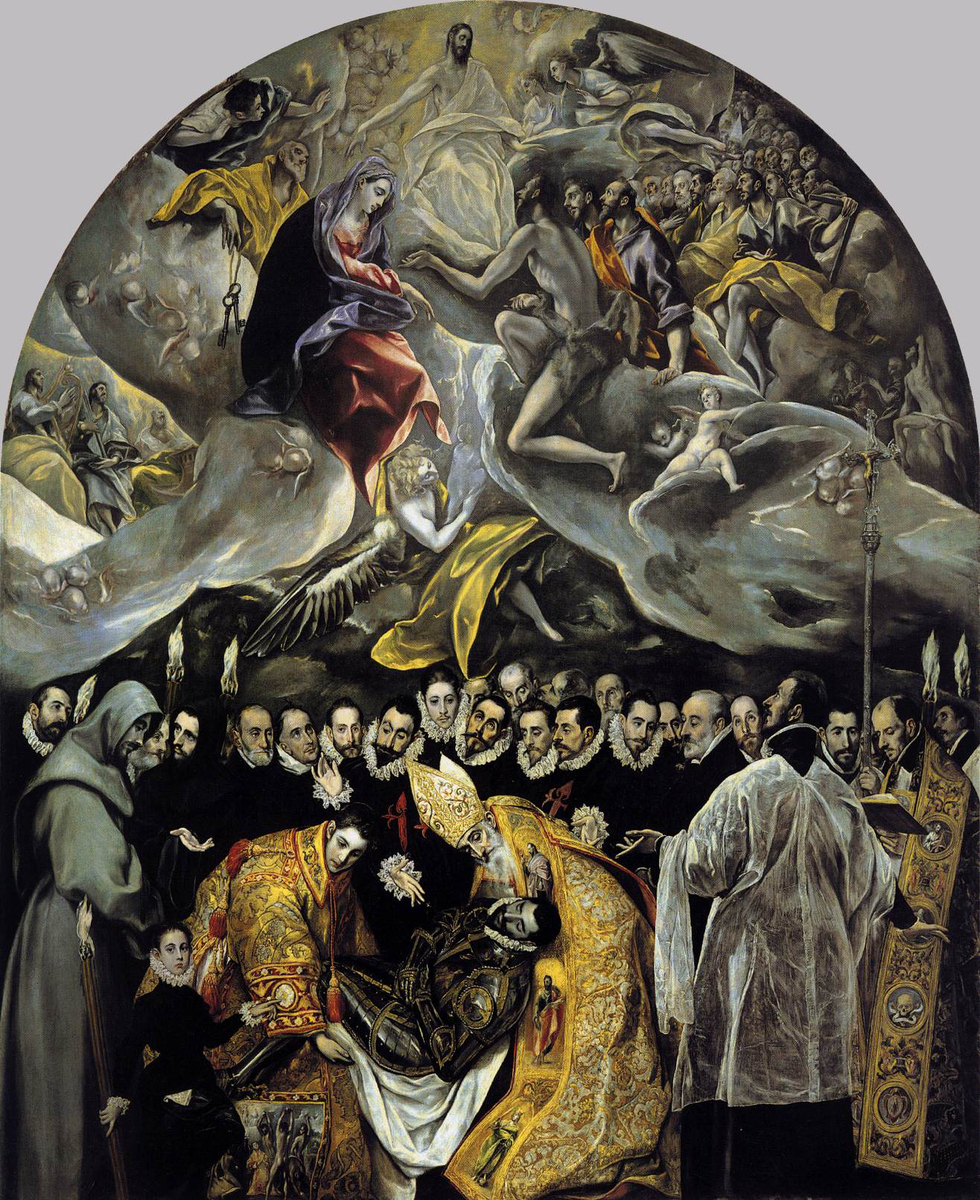
A gallery guide to El Greco's great altarpiece in Santo Tomé, Toledo, painted between 1586 and 1588, showing the legendary burial of Gonzalo Ruiz de Toledo, lord of Orgaz, and the heavenly reception above.
Advertising supports the archive. These preferences control aggregate page counting, reading activity and ad-delivery diagnostics. They use no visitor tracking cookie.