The story About 4 minutes to read
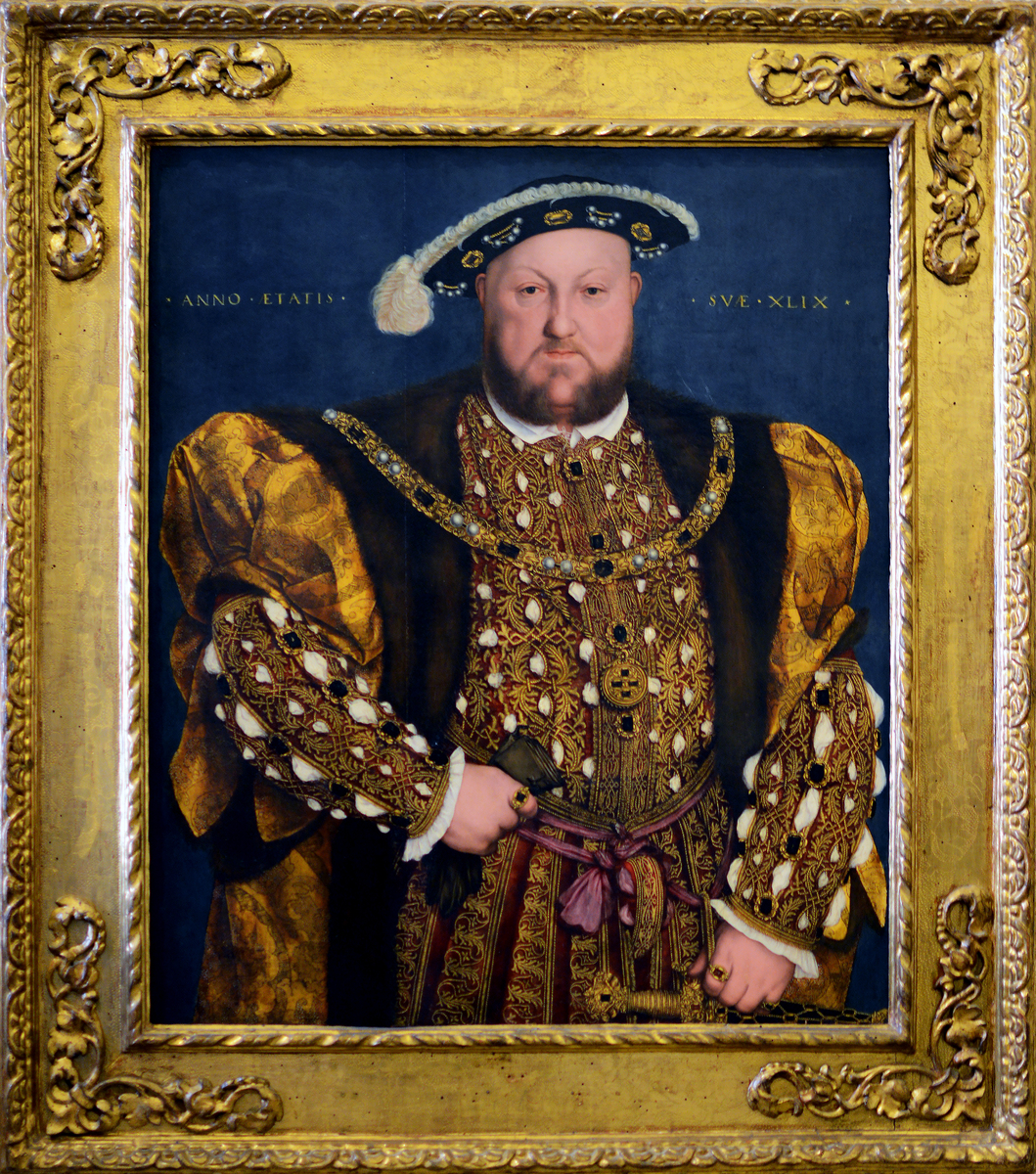
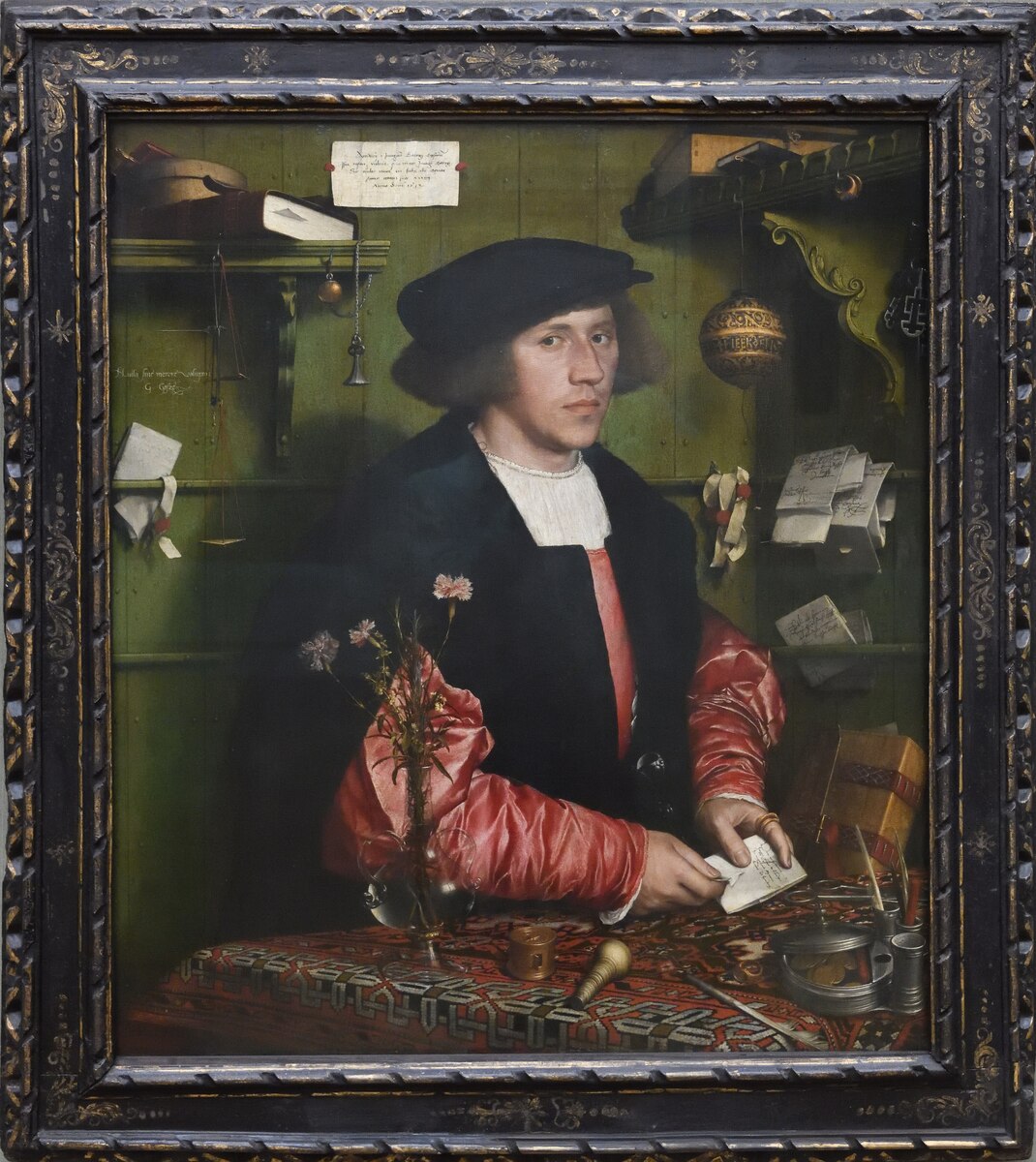
This is Henry VIII of England, painted by Hans Holbein the Younger between 1539 and 1540. The record identifies the sitter as the king who lived from 1491 to 1547.
The painting is a portrait, made in oil and tempera on panel. It shows Henry in aged middle life, late in his reign.
The supplied record does not describe the composition, colours or objects in detail. Its summary identifies only the sitter and the basic facts of the work.
What we can say from the record is limited. The painting is a portrait of Henry VIII, and it belongs to the Northern Renaissance and the Tudor court.
Holbein worked for the Tudor court, and this portrait dates to the last years of Henry's reign. Henry was born in 1491 and died in 1547.
The record gives the painting's date as from 1539 until 1540. That is the date of the work, not necessarily the date of the sitting or the events of Henry's life.
The painting is executed in oil and tempera on panel. Tempera is a paint bound with a water-based medium, often egg, while oil paint uses oil as its binder.
The work is attributed to Hans Holbein the Younger in the supplied record. The record is a Wikimedia Commons file, not the owning museum's catalogue.
The Commons record is the only supplied source, and it is a discovery aid. It does not offer a curatorial essay or detailed visual analysis.
So this tour stays with what the record supports. It identifies the artist, sitter, date, medium, dimensions and collection. It does not explain the painting's symbolism or the king's expression.
The painting is held in the Galleria Nazionale d'Arte Antica, in Palazzo Barberini, Rome. The accession number recorded there is 878.
That is the current collection for this exact object according to the supplied record. The record also cites the painting in The Complete Paintings of Holbein the Younger, page 117.
What we can take away is a portrait of Henry VIII made by Holbein near the end of the king's life. Its date, medium and collection are documented in the supplied record.
The fuller story of how Holbein portrayed the king's power or character is not in the evidence provided. For that, you would need the owning museum's own catalogue or a curatorial study of this exact panel.