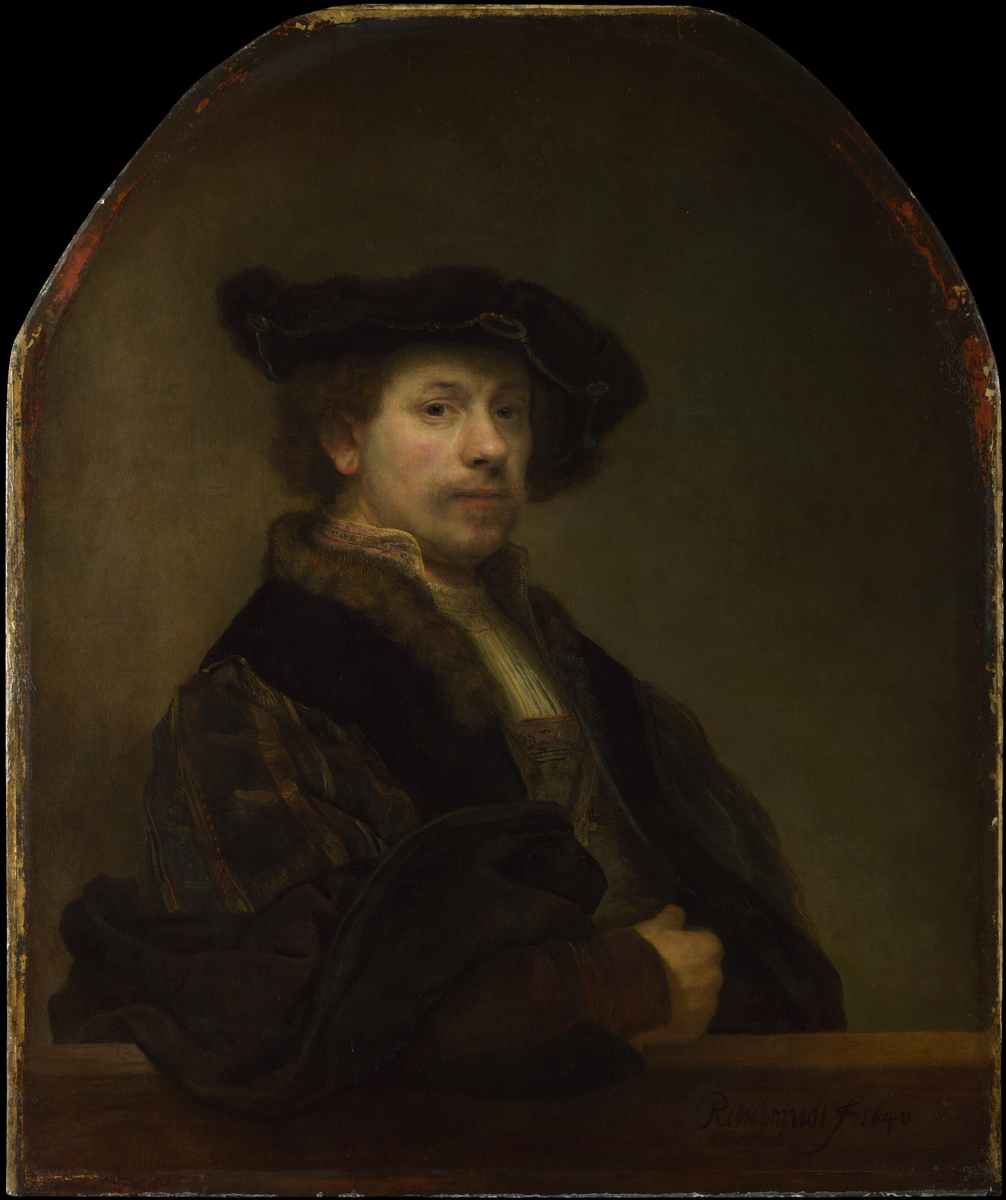
Rembrandt shows himself at thirty-four in a fur collar and gold-brocaded shirt, his arm resting on a stone ledge, looking directly back at us. This gallery tour takes that quiet confrontation as its subject: the costly historical dress set against loose, heavy paint, and what the picture does with the distance between wealth and the working hand.
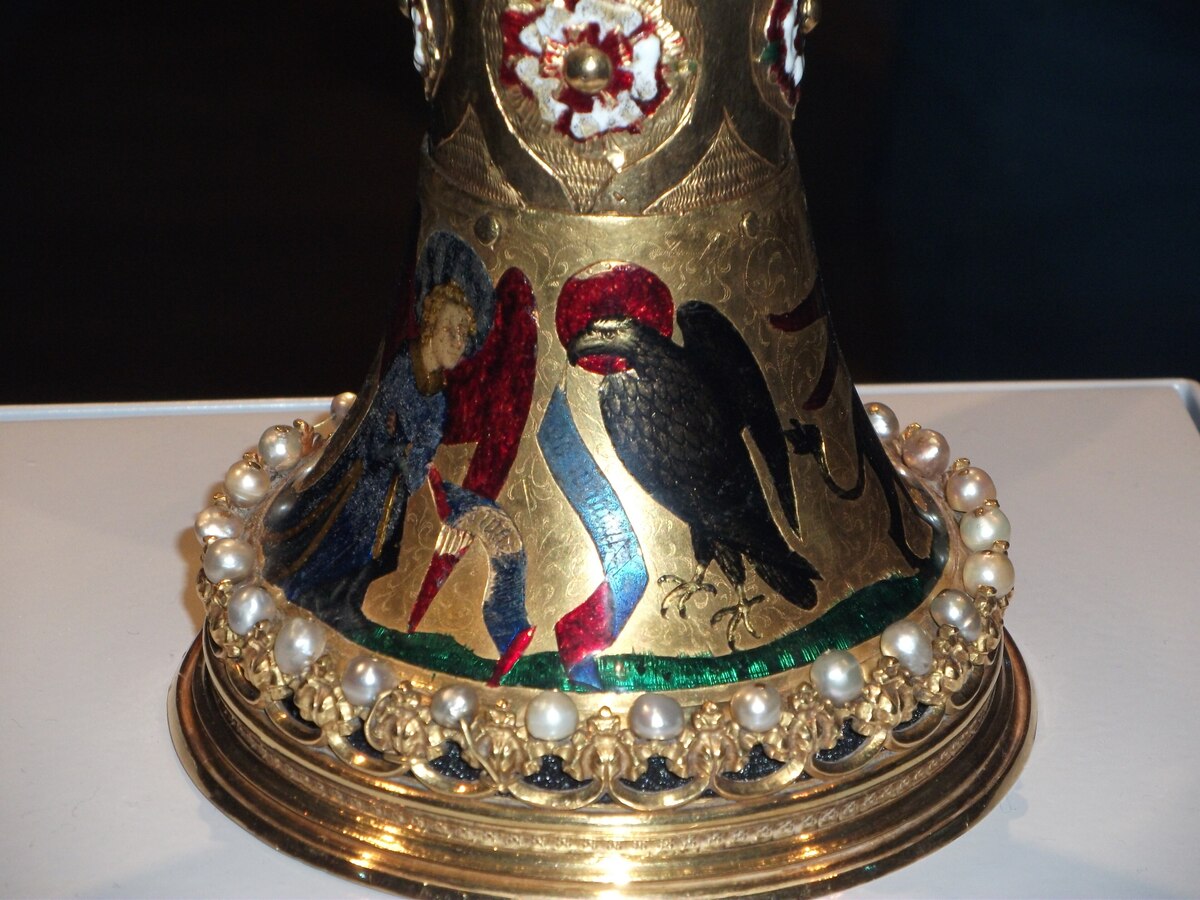
A solid gold covered cup made for the French royal family at the end of the fourteenth century, decorated with enamel and pearls. It later passed through the hands of English monarchs, spent nearly three hundred years in Spain, and has been in the British Museum since 1892. This docent tour explains what the cup is, how its materials and decoration work, and what its remarkable survival tells us about late medieval French plate.
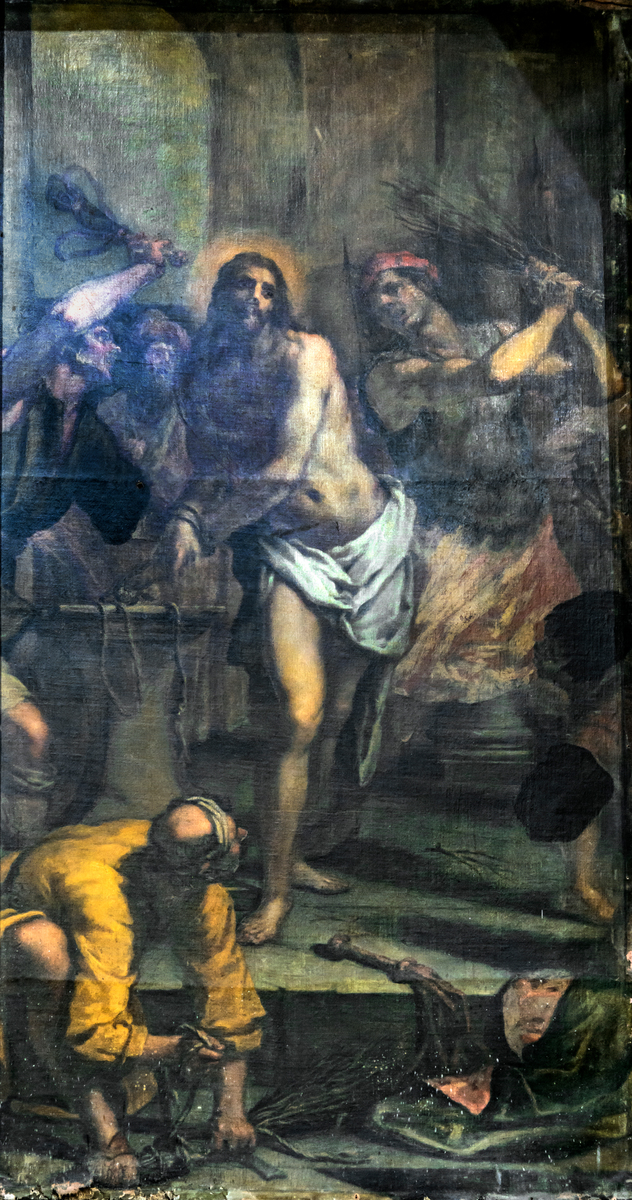
A docent-led reading of Matteo Ponzone's Flagellation of Christ, painted around 1622 and held at the church of Madonna dell'Orto in Venice. The account stays with what the supplied record establishes: the bound, haloed Christ at the column, the figures who carry out the punishment, and the limits of the surviving evidence.
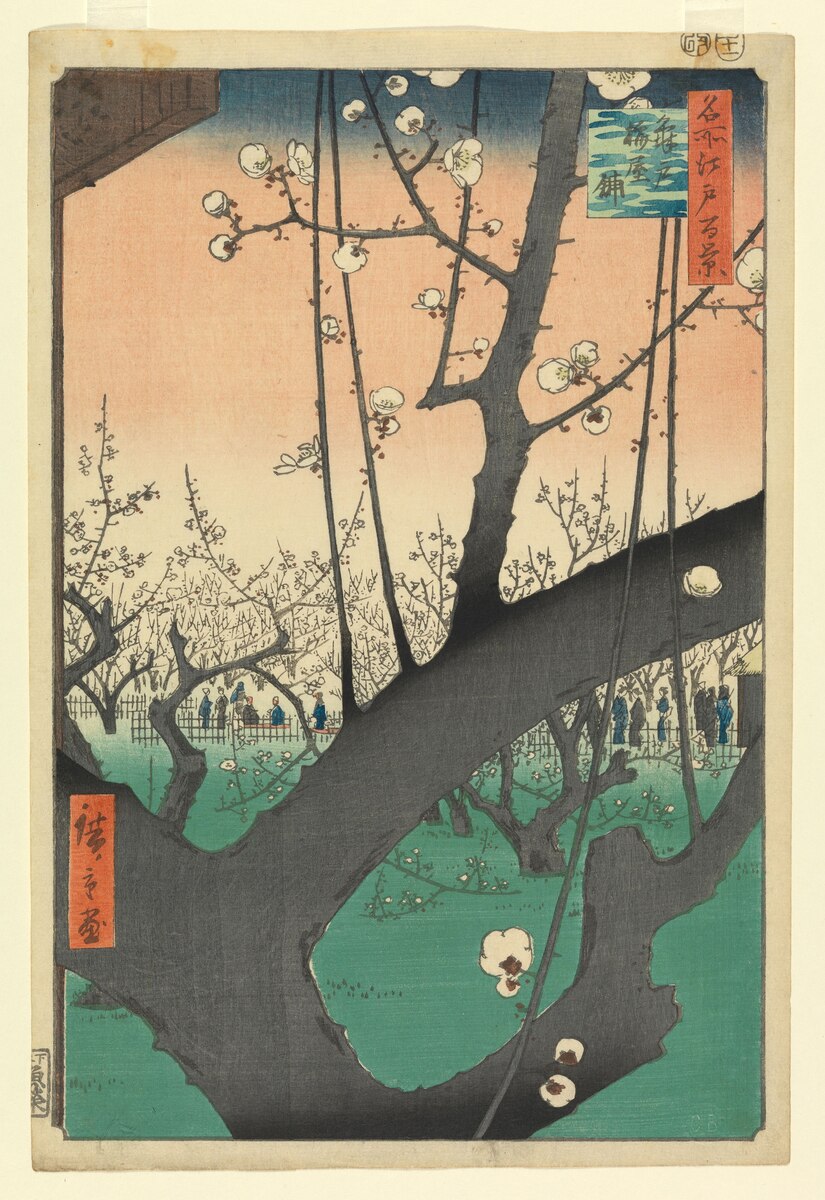
A woodblock print from Hiroshige's series One Hundred Famous Views of Edo, showing the celebrated plum garden at Kameido in early spring, held in the Chester Beatty Library, Dublin.
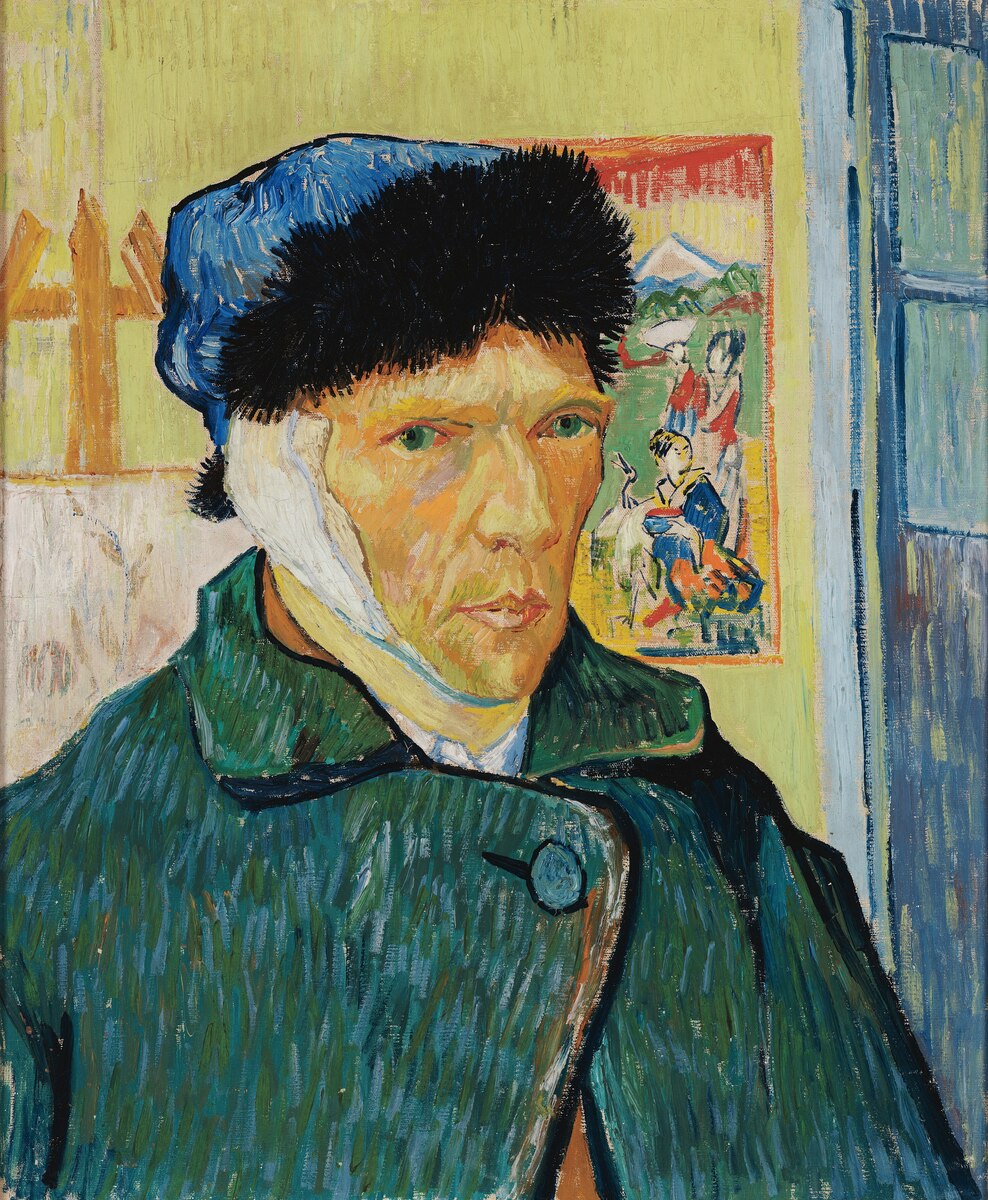
In January 1889, a week after leaving hospital, Vincent van Gogh painted himself with his ear bandaged, a fur cap on his head, standing before a canvas on an easel and a Japanese print. It is a self-portrait about both a recent crisis and a determination to keep painting.
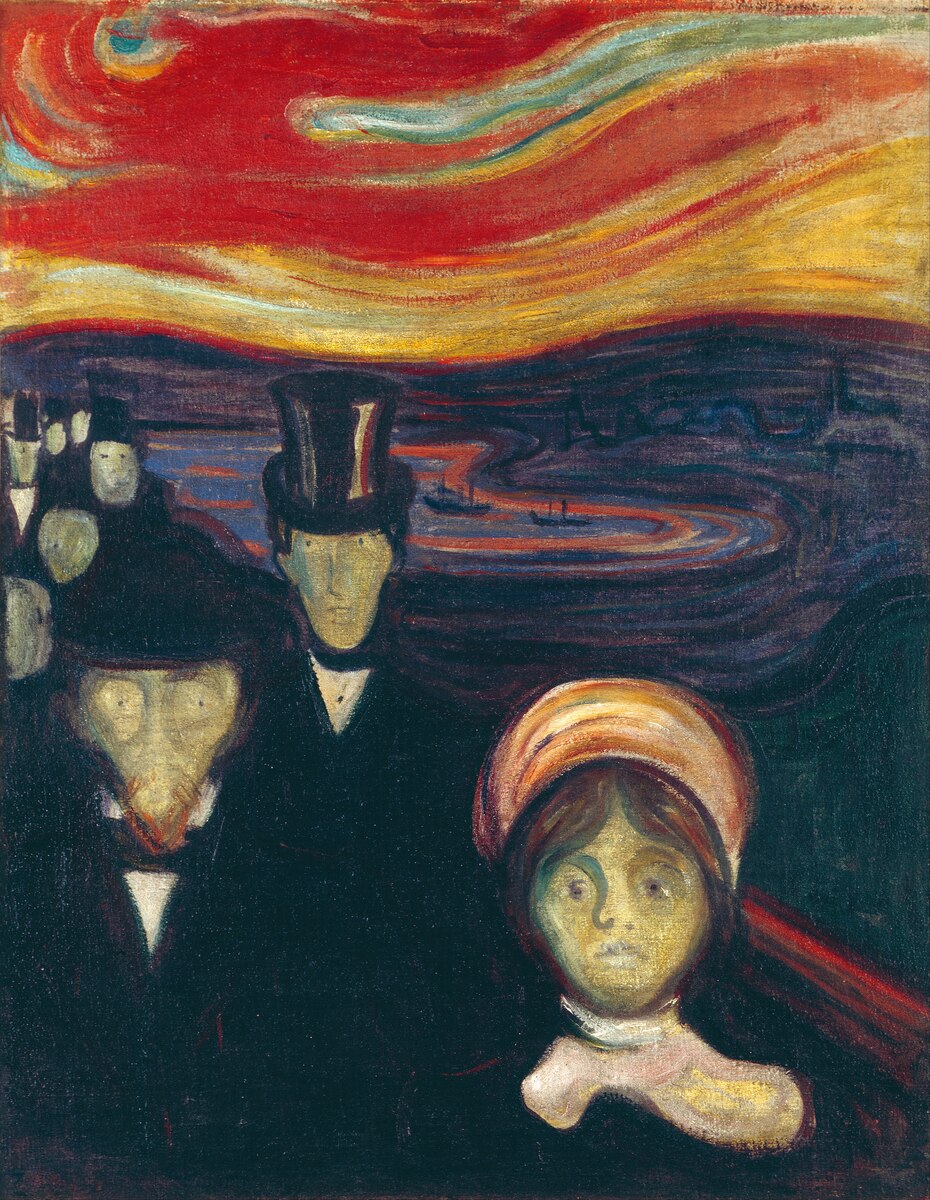
A docent-led reading of Edvard Munch's 1894 painting Anxiety, in which a crowd of pale-faced figures advances toward the viewer beneath a blood-red sky. The tour follows the composition, the scholarly interpretations attributed to Gerd Woll, Uwe M. Schneede, Arne Eggum and Reinhold Heller, and Munch's own diaristic account of a panic attack on Karl Johans gate.
Advertising supports the archive. These preferences control aggregate page counting, reading activity and ad-delivery diagnostics. They use no visitor tracking cookie.